

Imagine turning on your computer, logging into your trading account, and seeing your hard-earned money vanish in seconds. 😱 For many forex trading beginners, this nightmare scenario is all too real. The allure of quick profits often blinds newcomers to the harsh realities of the currency markets, leading to devastating losses that can shatter both finances and confidence.
But what if you could sidestep these pitfalls and set yourself up for success from day one? 🚀 The forex market, with its $6.6 trillion daily trading volume, offers immense opportunities for those who approach it with the right knowledge and strategies. Whether you’re dreaming of supplementing your income or aiming for financial freedom, mastering the art of forex trading can be your ticket to achieving those goals.
In this comprehensive guide, we’ll explore the nine essential strategies that can help you avoid costly mistakes and build a solid foundation for your forex trading journey. From understanding the basics to implementing advanced technical analysis, we’ll cover everything you need to know to navigate the forex waters with confidence. So, buckle up and get ready to transform your trading approach – your future self will thank you! 💪💼
Understand Forex Basics

Learn key terminology
To avoid losses in forex trading, beginners must first master the essential terminology. Here’s a quick overview of some crucial terms:
- Pip: The smallest price movement in forex trading
- Spread: The difference between the bid and ask price
- Leverage: Borrowed capital to increase potential returns
- Margin: The required collateral for a leveraged trade
Understanding these terms is vital for effective communication and decision-making in the forex market.
Grasp market dynamics
Forex markets are driven by various factors, including:
- Economic indicators
- Political events
- Interest rates
- Market sentiment
| Factor | Impact on Currency |
|---|---|
| Strong economic data | Currency appreciation |
| Political instability | Currency depreciation |
| Higher interest rates | Currency strengthening |
| Positive market sentiment | Increased demand for currency |
Recognizing these dynamics helps traders anticipate potential market movements and make informed decisions.
Familiarize with currency pairs
Currency pairs are the foundation of forex trading. They are typically categorized as:
- Major pairs (e.g., EUR/USD, GBP/USD)
- Minor pairs (e.g., EUR/GBP, AUD/CAD)
- Exotic pairs (e.g., USD/TRY, EUR/ZAR)
Each pair has unique characteristics and behaves differently based on market conditions. Beginners should focus on major pairs initially due to their higher liquidity and tighter spreads.
Recognize trading sessions
The forex market operates 24 hours a day, but it’s divided into four main sessions:
- Sydney
- Tokyo
- London
- New York
Understanding these sessions is crucial as market volatility and liquidity vary throughout the day. Traders should align their strategies with the most suitable trading sessions for their chosen currency pairs.
Develop a Solid Trading Plan

Set clear financial goals
When developing a solid trading plan, setting clear financial goals is crucial. These goals provide direction and motivation for your forex trading journey. Here’s a breakdown of how to set effective financial goals:
- Short-term goals (1-3 months):
- Learn basic forex concepts
- Complete demo account trades
- Achieve a consistent profit ratio
- Medium-term goals (3-12 months):
- Transition to live trading
- Reach a specific account balance
- Improve win-loss ratio
- Long-term goals (1+ years):
- Achieve consistent monthly profits
- Diversify trading strategies
- Consider forex as a primary income source
| Goal Type | Example | Timeframe |
|---|---|---|
| Short-term | Learn 5 key forex indicators | 1 month |
| Medium-term | Grow account by 20% | 6 months |
| Long-term | Generate consistent 10% monthly returns | 2 years |
Define risk tolerance
Understanding your risk tolerance is essential for avoiding significant losses in forex trading. Consider the following factors:
- Financial situation
- Trading experience
- Emotional capacity for risk
A common rule of thumb is to risk no more than 1-2% of your account balance per trade. This approach helps protect your capital while allowing for potential growth.
Choose appropriate timeframes
Selecting the right timeframes for your trades can significantly impact your success. Consider these popular timeframes:
- Short-term (scalping): 1-minute to 15-minute charts
- Intraday: 15-minute to 4-hour charts
- Swing trading: 4-hour to daily charts
- Long-term: Weekly or monthly charts
Choose timeframes that align with your lifestyle, trading style, and risk tolerance. Remember, shorter timeframes require more active management, while longer timeframes allow for a more relaxed approach.
Establish entry and exit strategies
Developing clear entry and exit strategies is crucial for maintaining discipline and avoiding emotional decision-making. Consider these elements:
- Entry criteria (e.g., technical indicators, price action patterns)
- Stop-loss placement
- Take-profit targets
- Trailing stops for maximizing profits
By following these guidelines and incorporating them into your trading plan, you’ll be better equipped to navigate the forex market and minimize potential losses. Next, we’ll explore essential risk management techniques to further protect your trading capital.
Master Risk Management Techniques
Use stop-loss orders effectively
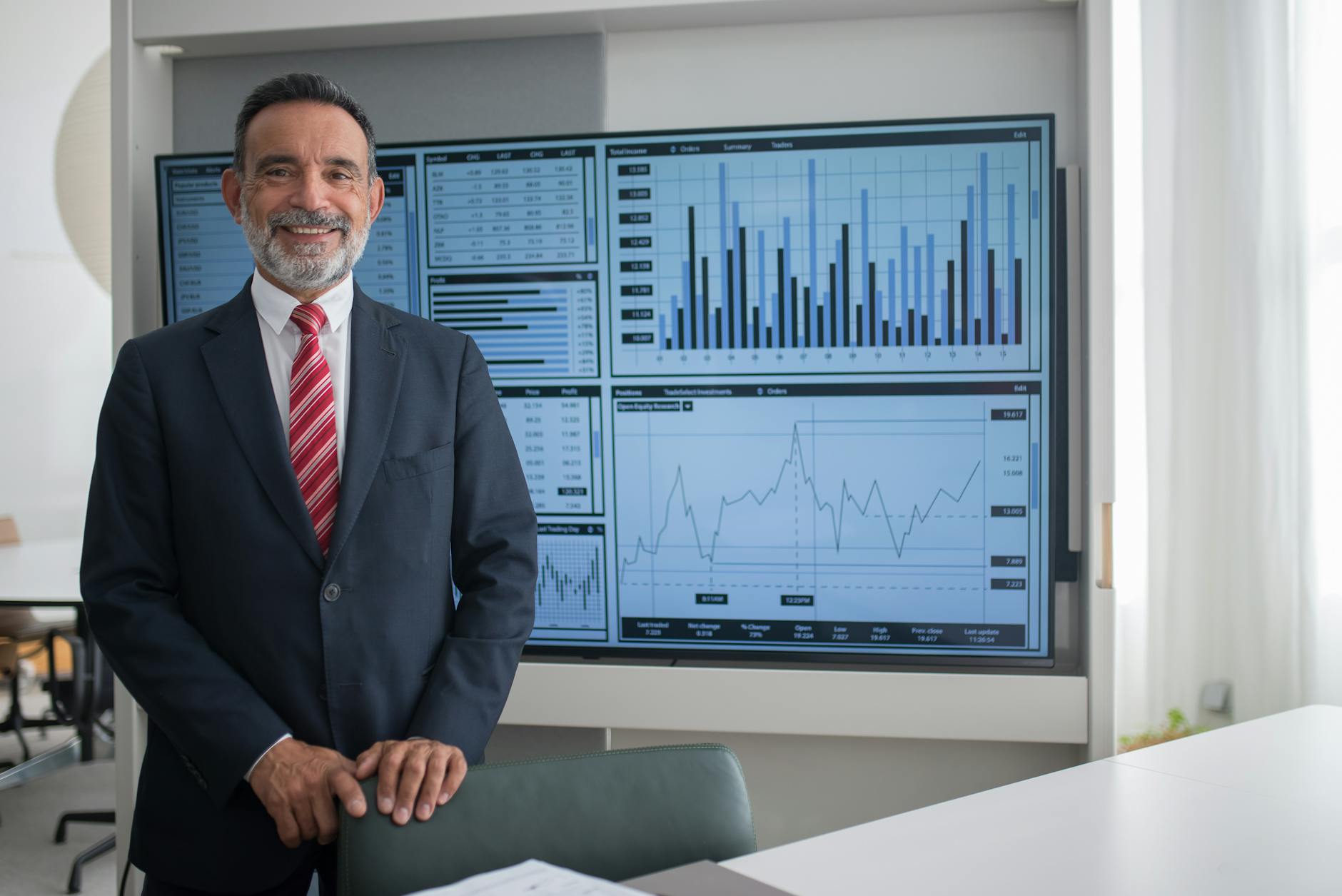
Stop-loss orders are crucial tools for minimizing potential losses in forex trading. These automated orders close your position when the market reaches a predetermined price level, protecting you from significant losses if the market moves against your position.
To use stop-loss orders effectively:
- Set realistic stop-loss levels
- Consider market volatility
- Avoid placing stops too close to entry
- Adjust stops as the trade progresses
| Pros of Stop-Loss Orders | Cons of Stop-Loss Orders |
|---|---|
| Limit potential losses | May be triggered by temporary price fluctuations |
| Automate risk management | Can lead to missed opportunities if set too tight |
| Reduce emotional trading | May not protect against gap downs or extreme volatility |
Implement proper position sizing
Position sizing is a critical aspect of risk management in forex trading. It involves determining the appropriate amount of capital to allocate to each trade based on your risk tolerance and account size.
Key considerations for proper position sizing:
- Use a fixed percentage of your account per trade (e.g., 1-2%)
- Calculate position size based on stop-loss distance
- Adjust position size for higher-risk trades
Diversify your trades
Diversification helps spread risk across different currency pairs and strategies. By avoiding overexposure to a single trade or market, you can protect your portfolio from significant losses.
Ways to diversify in forex trading:
- Trade multiple currency pairs
- Use different timeframes
- Employ various trading strategies
- Consider correlated and uncorrelated pairs
Avoid overleveraging
Leverage can amplify both profits and losses in forex trading. While it can increase potential returns, it also significantly increases risk. As a beginner, it’s crucial to use leverage cautiously and understand its implications.
Now that we’ve covered essential risk management techniques, let’s explore how to enhance your trading psychology to further improve your forex trading performance.
Enhance Your Trading Psychology

Control emotions while trading
Emotional control is crucial in forex trading. Beginners often fall prey to fear and greed, leading to impulsive decisions. To avoid this:
- Recognize emotional triggers
- Take breaks during high-stress periods
- Set predetermined entry and exit points
- Use stop-loss orders to limit potential losses
| Emotion | Impact on Trading | Mitigation Strategy |
|---|---|---|
| Fear | Missed opportunities | Stick to your trading plan |
| Greed | Overtrading, excessive risk | Set profit targets |
| Anger | Revenge trading | Step away from the platform |
Practice patience and discipline
Patience and discipline are key to successful forex trading. Beginners should:
- Wait for high-probability setups
- Avoid overtrading during quiet market periods
- Stick to their trading plan consistently
- Resist the urge to chase losses
Learn from losses without dwelling
Losses are inevitable in forex trading. To grow from them:
- Analyze each losing trade objectively
- Identify areas for improvement
- Adjust your strategy if necessary
- Move on to the next opportunity without emotional baggage
Maintain a trading journal
A trading journal is an invaluable tool for enhancing your trading psychology. It helps you:
- Track your progress
- Identify patterns in your trading behavior
- Evaluate the effectiveness of your strategies
- Hold yourself accountable
By focusing on these aspects of trading psychology, beginners can significantly reduce their chances of incurring losses in forex trading. Remember, successful trading is as much about mindset as it is about market knowledge. With a strong psychological foundation, you’ll be better equipped to handle the challenges of the forex market. Next, we’ll explore how utilizing demo accounts can provide invaluable practice without risking real capital.
Utilize Demo Accounts for Practice
Test strategies risk-free
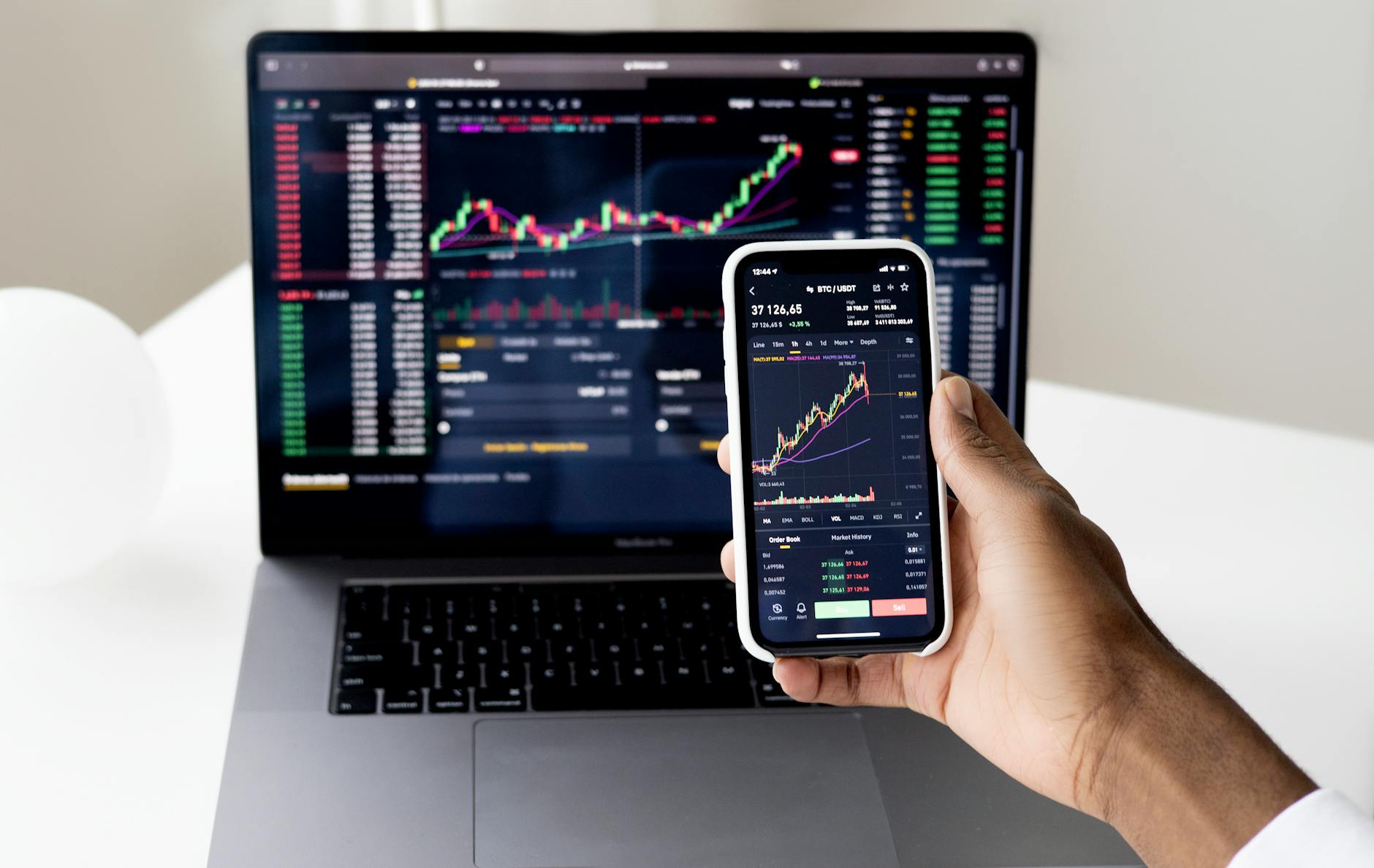
Demo accounts provide an invaluable opportunity for beginners to test their forex trading strategies without risking real money. Here’s why this is crucial:
- Risk-free environment: Experiment with various approaches without financial consequences
- Strategy refinement: Identify strengths and weaknesses in your trading plan
- Performance tracking: Monitor your success rate and adjust accordingly
| Strategy Type | Benefits of Testing in Demo |
|---|---|
| Trend Following | Practice identifying trends and optimal entry/exit points |
| Scalping | Test rapid execution and short-term profit taking |
| Swing Trading | Experiment with holding positions over multiple days |
| News Trading | Learn to react to market news without emotional pressure |
Familiarize with trading platforms
Mastering the tools of the trade is essential for successful forex trading. Demo accounts allow you to:
- Explore platform features without time pressure
- Practice order placement and execution
- Understand charting tools and indicators
- Learn to set up watchlists and alerts
Build confidence before live trading
Demo trading builds the confidence needed to transition to live trading:
- Develop a consistent trading routine
- Experience the emotional aspects of trading without financial risk
- Gain familiarity with market movements and volatility
Experiment with different market conditions
Demo accounts offer the flexibility to test your strategies across various market scenarios:
- High volatility periods (e.g., during major economic releases)
- Low liquidity times (e.g., during market closes)
- Trending markets vs. ranging markets
- Different currency pairs and their unique characteristics
By utilizing demo accounts effectively, beginners can significantly reduce their risk of losses when they transition to live forex trading. This practice phase is crucial for developing the skills and confidence needed for successful real-world trading.
Stay Informed on Market News

Follow economic calendars
Economic calendars are essential tools for forex traders, providing a schedule of important economic events and data releases that can impact currency markets. By following these calendars, beginners can:
- Anticipate potential market volatility
- Plan trades around significant announcements
- Avoid unexpected surprises that could lead to losses
Here’s a simple guide to using economic calendars effectively:
- Identify key events for your traded currency pairs
- Note the release times in your local timezone
- Understand the potential impact of each event
- Adjust your trading strategy accordingly
| Event Type | Potential Impact | Example |
|---|---|---|
| Interest Rate Decisions | High | Federal Reserve Rate Announcement |
| GDP Reports | High | Quarterly GDP Growth Figures |
| Employment Data | Medium to High | Non-Farm Payrolls (NFP) |
| Inflation Reports | Medium | Consumer Price Index (CPI) |
Understand fundamental analysis
Fundamental analysis involves evaluating a country’s economic, financial, and political factors to determine its currency’s value. For beginners, focusing on key fundamentals can provide valuable insights:
- Economic indicators (GDP, inflation, employment)
- Political stability and policies
- Trade balances and international relations
By understanding these factors, traders can make more informed decisions and better predict long-term currency trends.
Monitor geopolitical events
Geopolitical events can have significant impacts on forex markets. Staying informed about global news and developments is crucial for avoiding unexpected losses. Key areas to watch include:
- International conflicts or tensions
- Trade agreements or disputes
- Elections in major economies
- Natural disasters or health crises
Track central bank policies
Central banks play a pivotal role in forex markets through their monetary policies. Beginners should pay close attention to:
- Interest rate decisions
- Quantitative easing programs
- Forward guidance statements
- Press conferences and speeches by bank officials
Understanding these policies can help traders anticipate currency movements and make more informed trading decisions. With this knowledge of market news and events, traders can better position themselves to avoid potential losses and capitalize on opportunities in the forex market.
Choose the Right Broker

Compare spreads and fees
When choosing a forex broker, one of the most crucial factors to consider is the spreads and fees they offer. These costs can significantly impact your trading profitability, especially for beginners.
Spread comparison
| Broker Type | Typical Spread Range |
|---|---|
| ECN Brokers | 0.1 – 1.0 pips |
| STP Brokers | 1.0 – 2.0 pips |
| Market Makers | 2.0 – 5.0 pips |
- Look for brokers offering competitive spreads on major currency pairs
- Consider the impact of spreads on your trading style (e.g., scalping vs. long-term trading)
- Be aware of variable spreads that may widen during volatile market conditions
Evaluate regulation and security
Ensuring your chosen broker is properly regulated and secure is paramount for protecting your funds and personal information.
- Check for regulation by reputable financial authorities (e.g., FCA, CySEC, ASIC)
- Verify the broker’s membership in compensation schemes
- Look for advanced security measures like two-factor authentication and SSL encryption
Assess platform features
A user-friendly and feature-rich trading platform can greatly enhance your trading experience and decision-making process.
Key features to look for:
- Real-time charts with multiple timeframes
- Wide range of technical indicators and drawing tools
- Easy order execution and modification
- Mobile trading apps for on-the-go access
Consider customer support quality
Reliable customer support can be invaluable, especially when you’re new to forex trading. Evaluate the broker’s support options:
- 24/5 availability via multiple channels (live chat, phone, email)
- Multilingual support for international traders
- Educational resources like webinars, tutorials, and market analysis
With these factors in mind, take your time to research and compare different brokers. Remember, the right broker can significantly contribute to your success in forex trading. Next, we’ll explore how to implement technical analysis to further improve your trading decisions.
Implement Technical Analysis

Learn basic chart patterns
To effectively implement technical analysis in forex trading, mastering basic chart patterns is crucial. These patterns provide valuable insights into potential market movements and can help you make informed trading decisions.
Here are some essential chart patterns every beginner should know:
- Head and Shoulders
- Double Top/Bottom
- Triangle Patterns
- Flag and Pennant
- Cup and Handle
| Pattern | Description | Significance |
|---|---|---|
| Head and Shoulders | Resembles a head with two shoulders | Indicates a potential trend reversal |
| Double Top/Bottom | Two peaks or troughs at similar levels | Suggests a possible trend change |
| Triangle Patterns | Price converges in a triangle shape | Can signal continuation or reversal |
| Flag and Pennant | Short-term consolidation in a trend | Often precedes a continuation move |
| Cup and Handle | U-shaped pattern with a smaller dip | Bullish pattern indicating potential uptrend |
Understand key indicators
Key indicators are essential tools for technical analysis in forex trading. They help traders identify trends, momentum, and potential entry or exit points. Some popular indicators include:
- Moving Averages (MA)
- Relative Strength Index (RSI)
- Moving Average Convergence Divergence (MACD)
- Bollinger Bands
- Stochastic Oscillator
Use multiple timeframe analysis
Multiple timeframe analysis involves examining charts across different time periods to gain a comprehensive view of the market. This approach helps traders:
- Identify long-term trends
- Spot potential entry and exit points
- Confirm signals from shorter timeframes
- Reduce false signals and improve accuracy
Avoid overcomplicating your charts
While technical analysis is powerful, it’s essential to avoid information overload. Keep your charts clean and focused by:
- Limiting the number of indicators used
- Focusing on a few key patterns
- Regularly reviewing and optimizing your chart setup
- Combining technical analysis with fundamental analysis for a well-rounded approach
By mastering these aspects of technical analysis, you’ll be better equipped to navigate the forex market and make informed trading decisions. Remember, practice and consistency are key to improving your technical analysis skills over time.
Start Small and Scale Gradually

Begin with micro-lots
When starting your forex trading journey, it’s crucial to begin with micro-lots. These smaller position sizes allow you to gain real trading experience while minimizing potential losses. Here’s why micro-lots are ideal for beginners:
- Lower risk exposure
- Easier psychological management
- More trades with limited capital
- Opportunity to learn without significant financial stress
| Lot Size | Standard Lot | Mini Lot | Micro Lot |
|---|---|---|---|
| Units | 100,000 | 10,000 | 1,000 |
| Typical Pip Value | $10 | $1 | $0.10 |
Increase position sizes slowly
As you gain confidence and experience, gradually increase your position sizes. This approach allows you to:
- Adapt to larger trades without sudden pressure
- Evaluate your strategy’s effectiveness at different levels
- Build a track record of consistent performance
- Maintain a balanced risk-to-reward ratio
Reinvest profits cautiously
While it’s tempting to reinvest all your profits, a cautious approach is wiser:
- Allocate a percentage of profits for reinvestment
- Keep some profits as a safety buffer
- Use reinvested funds to diversify your portfolio
- Consider withdrawing a portion to reward yourself
Set realistic growth expectations
Setting achievable goals is crucial for long-term success in forex trading. Realistic expectations help you:
- Avoid overtrading or taking excessive risks
- Stay motivated during inevitable drawdowns
- Focus on consistent improvement rather than quick gains
- Develop a sustainable trading career
By starting small and scaling gradually, you’ll build a solid foundation for your forex trading journey, minimizing losses and maximizing learning opportunities.

Forex trading can be a challenging yet rewarding venture for beginners. By understanding the basics, developing a solid trading plan, and mastering risk management techniques, new traders can significantly reduce their chances of incurring losses. Enhancing trading psychology, utilizing demo accounts, staying informed on market news, and choosing the right broker are all crucial steps in building a strong foundation for success in the forex market.
As you embark on your forex trading journey, remember that patience and continuous learning are key. Start small, implement technical analysis, and gradually scale your trades as you gain experience and confidence. By following these best practices and remaining disciplined in your approach, you’ll be better equipped to navigate the complexities of the forex market and work towards achieving your financial goals.