
Thesafetrader

Category: Trading

  • Technical Analysis for Smarter Trading
    Technical Analysis for Smarter Trading

    The Importance of Technical Analysis in Modern Stock Market Trading: A Must-Learn for Every Trader and Investor

    In today’s fast-paced financial markets, technical analysis has become an indispensable tool for traders and investors alike. With advancements in technology and the increasing complexity of financial instruments, learning modern techniques of technical analysis is not just a choice but a necessity for anyone serious about navigating the stock market effectively.

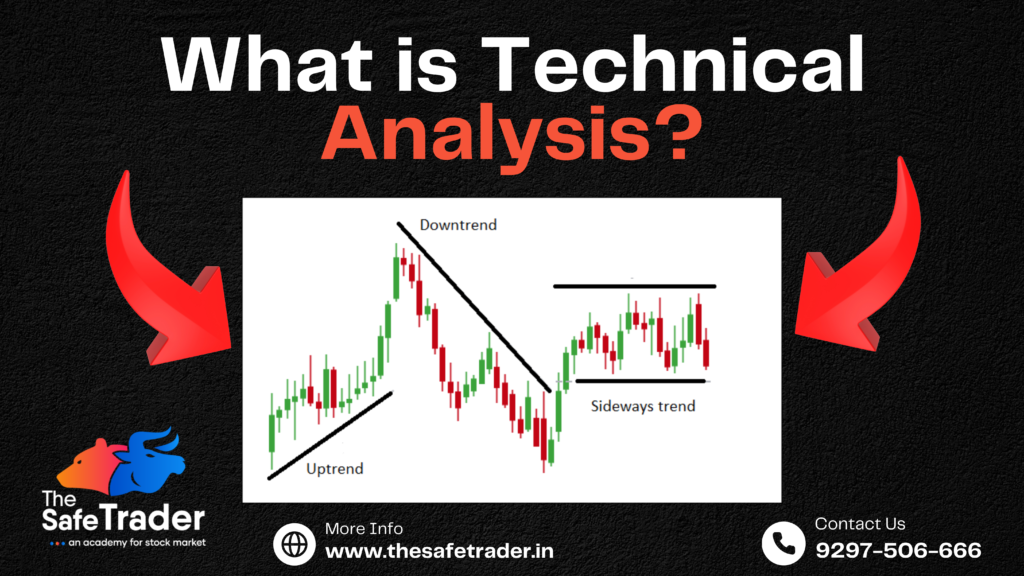
    What is Technical Analysis?

    Technical analysis is a method of evaluating financial markets by analyzing historical price movements, trading volumes, and patterns. Unlike fundamental analysis, which focuses on the intrinsic value of a stock, technical analysis is rooted in the belief that all market information is already reflected in the price. Traders use charts, indicators, and patterns to predict future price movements and identify optimal entry and exit points.


    Why Should Every Trader and Investor Learn Modern Techniques?

    1. Data-Driven Decisions
      Modern trading requires data-backed strategies to minimize risks and maximize returns. Technical analysis equips traders with tools to make informed decisions, rather than relying on guesswork or emotions.
    2. Adaptability to Market Conditions
      Markets are ever-changing, with trends, volatility, and economic factors playing significant roles. Learning modern techniques helps traders adapt to these changes and find opportunities in various market conditions.
    3. Universal Applicability
      Technical analysis is not limited to stocks. It can be applied across asset classes, including commodities, forex, options, and cryptocurrencies, making it a versatile skill.

    Key Roles of Technical Analysis

    • Trend Identification: It helps in spotting upward, downward, or sideways trends early, allowing traders to align their strategies accordingly.
    • Risk Management: By setting stop-loss and target levels, technical analysis ensures disciplined trading.
    • Market Timing: Identifying overbought or oversold conditions enables traders to time their entries and exits more effectively.

    Advantages of Technical Analysis

    1. Improved Accuracy in Entry and Exit Points
      Technical analysis helps traders identify the best price levels to buy or sell. For instance, support and resistance levels often act as pivot points in the market.
    2. Emotion Control
      Emotions like fear and greed can cloud judgment. Technical analysis provides a structured approach to trading, reducing the influence of emotions.
    3. Enhanced Profitability
      By using technical indicators like moving averages, RSI, MACD, and Bollinger Bands, traders can increase the probability of successful trades.
    4. Time Efficiency
      Technical analysis tools allow traders to quickly analyze market conditions, saving valuable time compared to fundamental analysis.
    5. Identifying Trends
      One of the core principles of Technical Analysis is recognizing trends—whether bullish, bearish, or sideways. Knowing the market’s direction helps align your strategies for maximum gain.
    6. Risk Management
      Tools like stop-loss orders and support/resistance levels, derived from Technical Analysis, help minimize risks and protect capital.
    7. Predicting Market Reversals
      Indicators like RSI, MACD, and moving averages provide insights into potential reversals, ensuring you’re not caught off-guard.
    8. Saving Time
      Technical Analysis focuses on actionable data, allowing traders to make quick, informed decisions rather than spending hours analyzing financial statements.

    New Strategies in Technical Analysis

    Modern technical analysis incorporates advanced strategies, such as:

    • Algorithmic Trading: Leveraging AI and algorithms to automate trading based on technical patterns.
    • Smart Money Concepts (SMC): Understanding institutional order flow and liquidity areas.
    • Volume-Weighted Indicators: Using tools like VWAP to gauge institutional activity.
    • Multiple Time Frame Analysis: Cross-verifying signals across different time frames for better accuracy.

    How to Apply Technical Analysis in Trading

    1. Start with Charts: Use charting platforms like TradingView to analyze price movements and draw trendlines.
    2. Learn Indicators: Understand how popular indicators like RSI, MACD, and Fibonacci retracement work.
    3. Combine Strategies: Use a combination of trend-following and counter-trend strategies for better results.
    4. Practice Discipline: Always stick to your trading plan and avoid impulsive decisions.

    Is Technical Analysis Essential?

    For traders, technical analysis is essential as it provides actionable insights for short-term decisions. For investors, understanding technical analysis can complement fundamental research, especially when timing market entries and exits. While it’s not a guarantee for success, it significantly increases the likelihood of making informed and profitable decisions.

    Should Every Investor and Trader Learn Modern Techniques?

    The short answer is: Yes. Modern trading has evolved with technology, and integrating advanced techniques has become more critical than ever. Here’s why:

    • High-Speed Trading: Algorithms and AI-based strategies dominate today’s markets. To stay competitive, understanding how these systems operate is essential.
    • Access to Tools: Platforms now offer sophisticated tools and indicators, but using them effectively requires knowledge of Technical Analysis.
    • Dynamic Market Conditions: Global economic changes, geopolitical tensions, and technological advancements create fluctuations. Being equipped with modern techniques ensures you’re ready for any scenario.

    Will It Help You Enter at the Best Price?

    One of the biggest advantages of technical analysis is its ability to highlight optimal entry points. By understanding support levels, candlestick patterns, and momentum indicators, traders can enter trades at favorable prices and maximize their potential returns.


    Conclusion

    In the modern financial landscape, technical analysis is not just a skill but a necessity for anyone looking to succeed in the stock market. Whether you’re a novice or an experienced trader, mastering technical analysis can provide a significant edge. By leveraging its tools and strategies, you can make data-driven decisions, manage risk effectively, and control emotions, ultimately becoming a more confident and successful market participant.

    Start your journey with technical analysis today, and unlock the door to smarter and more strategic trading!

  • The Difference Between Trading and Investing: A Guide for Beginners

    The Difference Between Trading and Investing: A Guide for Beginners

    The Difference Between Trading and Investing: A Guide for Beginners

    The financial markets have always attracted individuals seeking to grow their wealth, but there’s often confusion about the difference between trading and investing. In this article, we’ll break down what sets these two approaches apart, the unique benefits and risks of each, and how to decide which might be best suited for your financial goals.

    Introduction to Trading and Investing

    Trading and investing are terms frequently used interchangeably, but they signify distinct strategies for building wealth. While both revolve around buying and selling assets to generate returns, the key difference lies in the time horizon and the approach to risk and reward.

    What is Trading?

    Trading is the practice of buying and selling financial instruments, such as stocks, commodities, currencies, or derivatives, within a short time frame. The goal of trading is to make quick profits by capitalizing on short-term price fluctuations.

    1. Time Horizon: Traders often hold assets for days, hours, or even seconds, depending on the chosen strategy (e.g., day trading, swing trading, or scalping).
    2. Market Focus: Traders rely heavily on technical analysis, reading charts and using indicators to predict price movements and make rapid decisions.
    3. High Risk-Reward Ratio: Trading can offer high rewards but comes with increased risk. Prices can be highly volatile, and small movements can lead to either profits or losses.

    Key Characteristics of Trading

    • Short-Term Focus: The primary objective is to profit from short-term fluctuations in asset prices.
    • Technical Analysis: Traders rely heavily on charts, indicators, and technical analysis to identify potential opportunities.
    • High Risk, High Reward: The potential for significant returns is accompanied by the possibility of substantial losses, often requiring skill and experience to mitigate risks.
    • Active Management: Traders need to be constantly aware of market conditions, news, and data, making trading a demanding activity that requires time and focus.

    What is Investing?

    Investing, on the other hand, is about purchasing assets to hold them for the long term, typically years or even decades. The objective of investing is to grow wealth gradually over time by capitalizing on the asset’s potential appreciation and compounding growth.

    1. Time Horizon: Investors buy assets intending to hold them long-term, betting on their intrinsic value and the overall market growth.
    2. Market Focus: Investors tend to focus on fundamental analysis—evaluating the company’s financial health, growth potential, and industry position.
    3. Lower Risk, Steady Returns: Although investing generally involves less short-term risk, it also requires patience as returns accumulate over years.

    Investing is a strategy focused on building wealth over the long term by purchasing assets and holding them with a long-term horizon. Investors purchase stocks, bonds, real estate, or mutual funds to achieve gradual growth over several years or even decades. The goal of investing is not just to generate capital appreciation but also to receive dividends, interest, or rental income over time.

    Types of Investing

    1. Value Investing: Investors focus on undervalued stocks that are believed to be trading below their intrinsic value.
    2. Growth Investing: This strategy targets companies that are expected to grow at an above-average rate compared to others in the industry.
    3. Income Investing: Investors purchase assets such as dividend-paying stocks or bonds that generate a steady income stream.

    Key Characteristics of Investing

    • Long-Term Horizon: Investors aim for slow and steady gains over the years, typically holding their positions for several years to even decades.
    • Fundamental Analysis: Investing decisions are often based on fundamentals, including a company’s financials, earnings, future growth potential, and overall market conditions.
    • Lower Risk, Lower Reward: Compared to trading, investing carries relatively lower risk, with the goal of preserving capital while growing it slowly.
    • Passive Management: Investments can be managed passively, requiring less time and energy compared to trading. Investors are more focused on the overall trend rather than daily price fluctuations.

    Comparing Trading and Investing

    Types of Traders and Investors

    Both trading and investing have subcategories that suit different personalities, lifestyles, and risk tolerances.

    Types of Traders

    1. Day Traders: Traders buy and sell within the same day, closing all positions by the market’s close. The objective is to take advantage of small price movements throughout the day.
    2. Swing Traders: Swing traders hold positions for a few days or weeks, seeking profits from short-term price swings.
    3. Scalpers: Scalping involves making numerous trades to gain small profits from minor price changes

    Types of Investors

    1. Growth Investors – Focus on companies with high growth potential, willing to pay a premium.
    2. Value Investors – Seek undervalued stocks, expecting them to reach their intrinsic value.
    3. Dividend Investors – Prefer companies with steady dividend payouts, providing passive income.

    Benefits and Drawbacks of Trading

    Benefits of Trading

    • High Profit Potential: Trading allows for high returns due to frequent opportunities for profit.
    • Control and Flexibility: Traders have the ability to enter and exit positions quickly, maintaining control over their funds.
    • Leverage Options: Many trading platforms offer leverage, allowing traders to maximize their potential gains.

    Drawbacks of Trading

    • Increased Risk and Stress: Trading is not only risky but can also be mentally taxing due to market volatility.
    • Transaction Costs: High-frequency trading can incur significant transaction fees, which can eat into profits.
    • Time-Intensive: Trading requires constant monitoring, analysis, and swift decision-making.

    Benefits and Drawbacks of Investing

    Benefits of Investing

    • Compounding Growth: Holding investments over time enables the power of compounding, leading to exponential growth.
    • Lower Risk Exposure: With a long-term view, short-term market fluctuations have less impact, reducing overall risk.
    • Passive Income Potential: Dividend stocks and rental properties provide regular income, contributing to wealth growth.

    Drawbacks of Investing

    • Slow Returns: Investing is a long-term game; profits accumulate slowly and require patience.
    • Market Dependency: While less volatile than trading, investments are still influenced by economic cycles and may decrease in value during downturns.
    • Capital Requirement: Investing in quality assets often requires a significant initial investment, which may not be accessible to everyone.

    Which is Right for You? Trading or Investing?

    Choosing between trading and investing depends on various factors:

    1. Financial Goals – If your objective is to grow wealth slowly and steadily, investing might be suitable. However, if you’re aiming for faster gains and have time for active management, trading could be an option.
    2. Risk Tolerance – Trading is inherently riskier, requiring a high tolerance for market volatility, whereas investing aligns better with conservative risk tolerance.
    3. Time Commitment – Trading demands regular time and attention, while investing can be more hands-off, with less frequent portfolio reviews.
    4. Knowledge and Skills – Trading requires extensive knowledge of market trends and technical analysis, while investing involves understanding financial statements, market dynamics, and economic factors.

    Who Should Consider Trading?

    Trading is ideal for those who:

    • Have a deep understanding of the financial markets and technical analysis.
    • Are comfortable with high-risk situations and can manage stress effectively.
    • Have the time to actively manage and monitor trades throughout the day.

    Who Should Consider Investing?

    Investing is suitable for individuals who:

    • Prefer a less risky and more passive approach to wealth accumulation.
    • Are willing to remain patient to see returns over the long term.
    • Want to grow their wealth gradually while minimizing time commitment.

    The Importance of Understanding Your Financial Goals

    To determine whether trading or investing is the right fit for you, it’s essential to understand your financial goals, risk tolerance, and time horizon. If you’re seeking high returns in a short period and are comfortable with risk, trading could be the path for you. On the other hand, if you’re aiming for consistent growth over time without actively managing your portfolio every day, investing is the way to go.

    Both trading and investing have their merits and drawbacks, and many successful market participants use a combination of both strategies to diversify their approaches and mitigate risks. Ultimately, your personal circumstances, time availability, and financial objectives will dictate which approach—or blend of both—suits you best.

    Blending Trading and Investing Strategies

    Some people prefer a hybrid approach, where they invest a portion of their portfolio for the long-term and trade with another portion to capitalize on short-term opportunities. This approach provides a balance between the growth potential of investing and the active gains of trading.


    Final Thoughts: Making an Informed Decision

    Both trading and investing offer viable paths to financial growth but cater to different styles and risk profiles. Trading can yield high returns quickly but comes with substantial risk, while investing provides stable growth over time with lower exposure to volatility. Ultimately, the best approach depends on individual goals, risk tolerance, and commitment.

    If you’re new to the financial markets, consider starting with small investments or trading simulations to understand the dynamics before committing significant capital. Consulting with financial advisors and continuous learning are also essential as both trading and investing involve complex knowledge and strategies.

    In today’s digital era, it’s easier than ever to access the tools and information needed to trade or invest. While both trading and investing can be profitable, their strategies, risks, and benefits are distinctly different.

    For those new to financial markets, The Safe Trader Academy in Hyderabad offers resources, training, and guidance. Whether you want to dive into trading strategies or learn investment fundamentals, The Safe Trader Academy provides valuable support to help you achieve your financial aspirations.


    FAQs

    1. Is trading more profitable than investing?
      • Both can be profitable, but trading requires more skill and active management, with greater risk. Investing, while slower, generally offers steady returns over time.
    2. Can you do both trading and investing?
      • Yes, many individuals choose a mix of both, using long-term investments to grow wealth and trading to capitalize on short-term market movements.
    3. What are the risks associated with trading?
      • Trading risks include market volatility, emotional decision-making, leverage risks, and transaction fees, all of which can lead to substantial losses.
    4. Which is better for beginners?
      • Beginners might find investing easier and more sustainable, as it involves lower risk and does not require constant market monitoring like trading.

  • Muhurth Trading on Diwali: Significance and Tradition

    Muhurth Trading on Diwali: Significance and Tradition

    The annual tradition of Muhurat Trading is one of the most anticipated events in the Indian stock market, especially for investors who believe in the auspiciousness of Diwali. On November 1, 2024, from 6:00 PM to 7:00 PM, the Bombay Stock Exchange (BSE) and the National Stock Exchange (NSE) will hold their hour-long Muhurat Trading session, marking the beginning of the Hindu calendar year, Samvat 2081. This special session has both spiritual and financial significance, drawing a blend of faith and finance that goes back centuries.

    At The Safe Trader Academy, we celebrate the festival of Diwali every year with joy and enthusiasm. As part of our tradition, we invite all of you to join us in this celebration of wealth and prosperity. This is the perfect opportunity to start your investment journey on the auspicious occasion of Muhurth Trading. Let’s come together to make the most of this festival and begin a prosperous financial year with the blessings of Goddess Lakshmi.

    Significance

    The Significance of Muhurat Trading

    ‘Muhurat’ refers to a “auspicious moment,” a time period deemed favorable by Vedic astrology for new beginnings. In the financial world, it translates to a symbolic opening for wealth creation, prosperity, and growth. Muhurat Trading on Diwali holds a deep-rooted significance in the Hindu tradition, as it aligns with the start of the new Samvat, the Hindu calendar year. Many believe that the trades initiated during this hour will bring good fortune throughout the year.

    For investors, particularly those with a religious or cultural inclination, it is more than just a trading session. It represents a fresh beginning, reflecting on past financial performance and looking forward to new opportunities. Many traders and investors consider this the perfect time to start their investment journey, fueled by the belief that starting ventures on this day attracts wealth, success, and good luck.

    Why Do People Start Investing on Diwali According to the Hindu Calendar?

    Diwali is one of the most important festivals in the Hindu religion, celebrated as the victory of light over darkness and good over evil. The festival symbolizes new beginnings, and in the context of wealth, it is linked to the worship of Goddess Lakshmi, the deity of wealth and prosperity. It is believed that making investments or starting new ventures on Diwali invokes the blessings of Lakshmi, ensuring financial growth.

    The Hindu calendar plays a pivotal role in determining auspicious days for starting significant ventures, and Diwali marks the start of the new financial year for many in the business community. This concept of a new beginning aligns with the belief that Samvat marks a fresh cycle in the cosmos, creating a positive environment for success in financial matters.

    Rituals and Traditions Surrounding Muhurat Trading

    Several rituals are conducted during this special session, adding to its cultural and spiritual depth. Traders often begin the day with a prayer to Lord Ganesha, the remover of obstacles, and Goddess Lakshmi for prosperity. Many families and trading firms buy a small quantity of stocks as a symbolic gesture, emphasizing the idea of growth and success in the coming year.

    Over time, while the stock market has become more technologically driven and globalized, this ancient tradition has managed to keep its charm. For seasoned traders and first-time investors alike, the Muhurat Trading session is an opportunity to participate in the market with a positive mindset, hoping for a prosperous year ahead.

    The Importance of Muhurth Trading

    1. Symbol of New Beginnings: Diwali is seen as the beginning of a new year according to the Hindu calendar, especially for businesses and traders. The Muhurth Trading session symbolizes new beginnings and is believed to usher in wealth and prosperity for the upcoming year. Participating in this session is considered a gesture of faith and hope, as it is thought to set a positive tone for one’s investments.
    2. Cultural Significance: Diwali is a time for joy, celebration, and worship. During Muhurth Trading, investors believe that starting their financial activities on this auspicious occasion will bring good fortune and success. It’s not just about trading but also about reinforcing one’s cultural values and religious beliefs.
    3. Spiritual Belief in Wealth Creation: In Hindu tradition, the goddess Lakshmi is worshipped to bring wealth and prosperity into homes and businesses. Muhurth Trading is done as a tribute to her blessings. The belief is that any financial activity performed during the “muhurth” time, an auspicious period according to astrology, will be blessed with long-term gains.
    4. Low-Risk Traditions: Many investors participate in Muhurth Trading for its symbolic value rather than for substantial financial returns. Even those who refrain from regular trading often buy or sell a token number of shares as part of the tradition. This is seen as setting a financial intention rather than making aggressive market moves.

    Why Do People Start Investing on Diwali According to the Hindu Calendar?

    According to the Hindu calendar, Diwali marks the end of the harvest season and the start of the new financial year, particularly for the business community in many regions of India. This period is associated with new beginnings, prosperity, and removing obstacles from one’s financial path.

    1. Lakshmi Pujan: On Diwali, especially during Laxmi Pujan, Hindus worship Goddess Lakshmi to seek her blessings for wealth and prosperity in the coming year. This is the primary reason many people choose to start investing or initiate new financial ventures on this day. They believe that investments made during this auspicious period are bound to grow and multiply with the goddess’s blessings.
    2. Astrological Significance: Diwali, according to Hindu astrology, falls during an auspicious time of the year when the planets and stars align favorably for wealth accumulation and success. The specific “muhurth” chosen for the trading session is considered astrologically powerful for initiating new ventures and investments, bringing in long-term positive outcomes.
    3. Setting Financial Intentions: Just as people make resolutions at the start of a new calendar year, Muhurth Trading is about setting financial goals and intentions for the coming year. The act of investing during this session is symbolic of making a fresh start, aligning one’s financial activities with the auspicious energies of the day.
    4. The Tradition of ‘Chopda Pujan’: Diwali is also a time for Chopda Pujan or the worship of business ledgers. In many traditional families, this day marks the closure of old accounts and the start of new ones. In modern times, investors and traders replace these ledgers with their investment portfolios, praying for growth in their financial holdings.

    Conclusion

    Muhurth Trading during Diwali is not just about participating in the stock market; it’s about embracing new financial opportunities with optimism, grounded in cultural and spiritual beliefs. As the BSE and NSE host this annual session on November 1, 2024, it marks not only the start of Samvat 2081 but also the belief in the power of auspicious beginnings. By participating, traders align themselves with a centuries-old tradition that blends faith, finance, and fortune, hoping to bring wealth and success into their lives for the new year ahead.