Thesafetrader

Author: thesafetrader.in

  • Can You Learn Trading in Just 45 Days?

    Can You Learn Trading in Just 45 Days?

    Imagine leaving your 9-to-5 job and making money through trading. Sounds good, right? But can you really learn to trade well in just 45 days? The idea of quick money is tempting, yet there’s a learning curve that should be considered.

    While it takes years to truly master trading, a focused 45-days plan can give you a strong start. You can learn the basics and get the skills to trade responsibly.
    Introduction

    If you are aspiring to be a trader, you may be asking whether it is possible to learn to trade in just 45 days. Trading is not something one can master overnight; it takes time for one to nurture one’s ability to produce consistent profits. However, it is possible to build a solid foundation and skills within 45 Days. In this blog, we will describe what may be achieved realistically after 45-days and how such learning can be optimized within the said period.

    Understanding the Basics of Trading

    Before practicing real trading, it is of utmost importance to know the basics in financial one’s markets. The first few weeks should educate students on learning how the market works with stocks, forex and even cryptocurrencies. Terms such as bid and ask price, liquidity, spreads, leverage and market orders need to be understood in depth. The core understanding of such concepts would make wise trading decisions.

    Understanding how brokers work and the role of liquidity providers will also provide a trader with business advantage. The right trading platform to capitalize on must be known with each one having different tools and features affecting trading efficiency.

    Technical and Fundamental Analysis

    A large part of trading is related to the movement of a trading instrument in question through time. Basically, the technical aspect would be that of studying price charts, indicators, and patterns to speculate on the future trend in prices. Some important indicators for a trader to study are Moving Averages, Relative Strength Index, Bollinger Bands, and MACD. Learning about candlestick patterns and support/resistance levels is also important.

    For others, fundamental analysis is studying other economic factors like company earnings (for stocks), interest rates, and geopolitical events. News reports, economic calendars, and statements of central banks play a significant part in determining market trends. A combination of both technical and fundamental analyses will also help traders in deciding the right direction.

    Becoming Consistent in Developing a Trading Strategy

    Without a strategy, the trading remains speculation. Therefore, traders are to concentrate on finding a workable trading strategy. Among the most commonly used trading strategies are day trading, swing trading, and position trading. The advantages and disadvantages of each of these strategies will be determined by individual risk appetite and availability of time.

    A trading strategy should basically include entry, stop loss, exit rules, risk management rules, and the conditions under which trades are to be executed. Backtesting a strategy on historical data establishes the probability of its success before being released into real markets.

    Importance of Risk Management

    Many traders lose their money not because they don’t have knowledge but because of their terrible risk-management skills. A proper risk-management plan will make sure one trade will never destroy the entire account of a trader. Risk-management strategies include setting stop-loss and take-profit levels, having a risk-to-reward ratio in one’s favor, and general control over using leverage.

    A general rule among traders is the 2% rule, which states that only 2% of the total capital should be put at risk on one trade. It helps traders’ capital to survive so that they can trade in the long run.

    Trading Psychology and Emotional Control

    The psychological part of trading usually does not get much attention, yet it is very important for success. Fear, greed, and impatience are some of the emotions causing traders to make unreasonable decisions. Control of emotions is very important for maintaining discipline.

    Practice Makes Perfect: Simulation and Demo Accounts

    Many professionals specifically emphasize calmness under pressure and adherence to a pre-set trading plan. Keeping a diary of your trades, errors, and emotions during trading provides insight into behavioral patterns that can be adjusted for improvement

    Practice trading without risking real money.

    Paper Trading: Executing Your Strategy in a Simulated Environment

    Practice your strategy on a Demo account. Track your trades and analyze your results. Treat it like real trading to get the most out of it.

    Analyzing Your Performance: Identifying Strengths and Weaknesses

    Review your trading history to identify areas where you excel. Also, identify areas where you need to improve. Learn from your mistakes.

    By the end of the 45 Days, traders are expected to be able to test their trading knowledge and experience in live markets but with a small amount of capital. It is better to start small and increase exposure in increments as experience is gained. So rather, the fear of losing money and excitement of winning ought to live alongside some real emotion in live trading.

    Live Trading Stage

    Following a structured plan for trading and sticking to the rules of managing risk will save traders from expensive mistakes at this point, and one should focus rather on bringing in consistency and not chasing large profits, as usually, slow and steady wins the game. 

    The Safe Trader India’s best Trading Academy

    Elevate your trading skills with The Safe Trader Academy, Hyderabad’s best Trading Academy, recognized as India’s top Stock Market Academy ,where we provide the tools and insights needed for success in the financial markets. Our services include comprehensive market analysis, real-time monitoring, and accountability tools designed to enhance your trading performance. With expert mentorship and tailored instruction, you’ll gain the skills needed to navigate the stock market, equity trading, options strategies, and risk management effectively.

    Both individual and professional traders trust us for our unparalleled expertise and commitment to excellence. Our rigorous screening process ensures you identify high-potential trading opportunities quickly and accurately. Experience the difference with The Safe Trader and take your trading to the next level. With our expert guidance, you will receive exceptional instruction from a seasoned trading mentor.

    For courses and to open a demat account, reach out to us today at +91-9297506666

    Conclusion

    In conclusion, 45 days can provide a solid foundation. Though, continuous learning is important. Have realistic goals and trade responsibly. Start with a plan and always improve. Trading has risks, however with knowledge and the right mindset, you can reach your financial goals.

     

  • The Best Forex brokers in India to use in 2025

    The Best Forex brokers in India to use in 2025

    Forex brokers in India

    Forex trading refers to the buyers and sellers of currencies for products and services or for other currencies, and having made investments in currencies and making profits based on the movement of the exchange rate, has excited a large section of investors in India. But trading in the forex market in India isn’t easy made and requires clarity on the regulatory environment and choosing a reliable broker. The Ultimate Guide to the Best Forex Brokers for Indian Trading This detailed guide offers in-depth analysis of the forex brokers that Indian traders can use, detailing their regulatory compliance, trading platforms, fees, and support.

    Regulation of Forex Trading in India

    Forex trading in India is highly regulated by the Reserve Bank of India (RBI) and the Securities and Exchange Board of India (SEBI). Indian citizens can trade currency pairs containing the Indian Rupee (INR) on the National Stock Exchange (NSE) and the Bombay Stock Exchange (BSE). So, it’s generally not allowed for you to trade currency pairs that don’t involve INR so that you don’t get hit by foreign exchange risk. Furthermore, trading with foreign-based brokers that are not regulated by Indian regulators is also technically illegal, although many brokers cater to Indian based clients.

    The Best Forex Brokers in India

    1. Zerodha

    Zerodha is one of India’s more well-known brokerage companies, providing services for equity, derivatives, commodities, and currency trading. It’s one of India’s largest retail stockbrokers, founded in 2010. Currency derivatives for recognized exchanges are offered by Zerodha for forex trading in INR through the forex trading. With its ease of use, competitive pricing, and strong customer support, the platform has established itself as a household name in the industry.

    1. Upstox

    Upstox is one of the leading Indian discount brokerage firms and provides services around equity, commodities and currency trading. While in line with Indian regulatory standards, it allows individuals to access suitable INR-based currency pairs on significant exchanges. The firm is noted for its cutting-edge trading platforms, competitive brokerage rates, and comprehensive educational resources, making it right for both novices and skilled traders.

    1. Angel Broking

    Angel Broking is a reputed broker in India providing various services, including forex trading in pairs with INR. The broker is compliant with all the rules and regulations prescribed by Indian law can trade currency derivatives on recognized exchanges. Angel Broking’s user-friendly platform, comprehensive research tools, and responsive customer support make it well-suited for traders with different needs.

    1. ICICI Direct

    One of the reputed private sector banks in India, ICICI Bank is the parent company of ICICI Direct. The platform also provides full trading services, including forex trading in INR pairs on major exchanges. Traders seek a balanced trading experience where they can execute trades with ease while relying on research output to help make informed trading decisions.

    1. HDFC Securities

    HDFC Securities is another leading brokerage house under HDFC [YESHDFC] bank that offers a complete range of trading services including currency derivatives876876876876868. It also has a solid backend for trading and detailed research reports as well as customer service, making it favorable amongst Indian traders.

    Things to Look for While Selecting a Forex Broker in India

    So if you are a Forex trader in India who is new to forex market and you need to select an forex broker here are things you should look for.

    • Check for Regulatory Compliance: Ensure that your broker is regulated by credible agencies like SEBI, which protects your investments. 
    • Trading Platforms: For efficient trading, you need a smooth and reliable trading platform. It can also be a benefit having compatibility to other platforms like MetaTrader 4 (MT4) and MetaTrader 5 (MT5). 

    – Fees and Commissions: Review the cost structure, including spreads, commissions, and any extra fees, to make sure they match your trading strategy. 

    • Customer Support: If you face issues, the exchange’s customer support will guide you through the process, making your trading experience seamless. 
    • Educational Material: Education material such as webinars and tutorials can aid traders in making informed decisions. 

    Conclusion

    Forex is one of the most lucrative trading opportunities in India today, but you need to choose your broker wisely. Domestic brokers such as Zerodha, Upstox, Angel Broking, ICICI Direct and HDFC Securities offer access to currency derivatives pertaining to the INR, but traders must research thoroughly, check for regulatory compliance and review the broker’s offering before making a decision. In doing so, traders able to navigate the forex market effectively, and eventually are well on their way to potentially netting profits along the way.

  • Forex Trading vs. Stock Trading

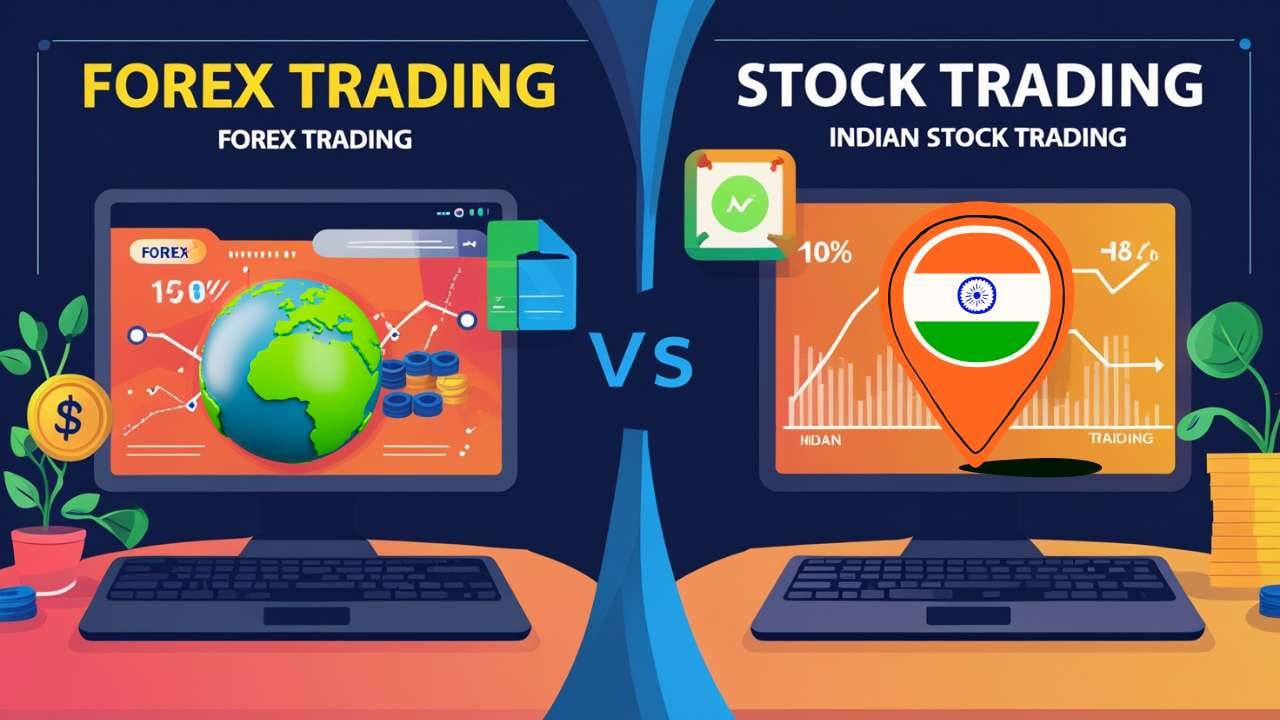
    Forex Trading vs. Stock Trading

    Forex Trading vs. Stock Trading

    Introduction

    When it comes to investing, traders often compare Forex Trading vs. Stock Trading to determine which market offers better returns. Both markets provide opportunities for financial growth, but they differ in size, risk, volatility, and profitability. Whether you are an experienced trader or a beginner, understanding the key differences between Forex and stock markets can help you make informed decisions.

    This article will provide a detailed comparison of Forex Trading vs. Stock Trading, covering aspects like market size, risk factors, investment potential, and the best choice for Indian investors.


    Understanding the Basics

    What is Forex Trading?

    Forex (foreign exchange) trading involves buying and selling currency pairs to make a profit. It operates 24/5, making it one of the most liquid and active markets in the world.

    What is Stock Trading?

    Stock trading involves buying and selling shares of publicly listed companies. Investors make profits through price appreciation and dividends. Stock markets operate on specific exchanges like the NYSE, NASDAQ, and BSE during fixed hours.


    Market Size Comparison

    Forex Market vs. Stock Market Size

    The Forex market is significantly larger than the stock market. The daily trading volume of Forex is around $7.5 trillion, whereas the global stock market trades about $200 billion per day.

    MarketDaily Trading Volume
    Forex Market$7.5 trillion
    Stock Market$200 billion

    This massive liquidity in Forex makes it easier for traders to enter and exit trades quickly.


    Key Differences Between Forex and Stock Trading

    Trading Hours and Market Accessibility

    • Forex: Open 24 hours a day, 5 days a week.
    • Stock Market: Operates during fixed hours (e.g., NYSE: 9:30 AM – 4:00 PM EST).

    Liquidity and Volatility

    • Forex has higher liquidity, meaning trades can be executed instantly.
    • Stock markets may have lower liquidity, leading to price gaps.

    Leverage and Margin Trading

    • Forex: Higher leverage (up to 1:500 in some brokers).
    • Stocks: Lower leverage (typically 1:2 or 1:5).

    Profit Potential

    How Profitability Differs in Forex vs. Stock Trading

    • Forex traders profit from small price movements due to high leverage.
    • Stock traders profit from long-term price growth and dividends.

    Short-Term vs. Long-Term Trading Profits

    • Forex is ideal for day traders and scalpers.
    • Stock trading is suitable for long-term investors.

    Risk Factors in Forex and Stock Trading

    Volatility and Market Stability

    • Forex: High volatility due to global economic events.
    • Stock Market: More stable but can experience major crashes.

    Risks of Forex Trading vs. Risks of Stock Trading

    • Forex involves higher leverage, leading to greater risk.
    • Stocks can be affected by company performance and economic cycles.

    Forex Trading vs. Indian Stock Market: Which is Better?

    For Indian traders, stock trading in NSE/BSE offers more regulation and lower risk, while Forex trading provides high returns but requires careful risk management.

    Best Choice for Indian Investors

    • Forex: Best for experienced traders who understand currency movements.
    • Stock Market: Ideal for long-term investors looking for steady growth.

    Investment Capital Requirements

    • Forex: You can start with as little as $50–$100 due to leverage.
    • Stocks: Requires higher initial capital to see meaningful returns.

    Regulation and Security

    • Forex is decentralized, meaning regulations vary across countries.
    • Stock markets are well-regulated, offering better protection to investors.

    Ease of Entry for Beginners

    • Forex: Requires understanding of global economies and technical analysis.
    • Stocks: Easier to understand but may require patience for returns.

    Taxation and Costs

    FactorForex TradingStock Trading
    Transaction CostsLow spreads, no commissions in many casesBrokerage fees, commissions
    TaxesCapital gains tax variesDividends are taxable
    Hidden CostsSwap/rollover feesManagement fees in some stocks

    Long-Term Wealth Building

    • Stocks are better for long-term wealth accumulation due to dividends and stable returns.
    • Forex is more suited for active traders looking for short-term gains.

    Pros and Cons of Each Market

    Advantages of Forex Trading

    ✅ 24/5 trading hours
    ✅ High liquidity
    ✅ Low trading costs

    Disadvantages of Forex Trading

    ❌ High risk due to leverage
    ❌ Requires deep knowledge of global markets

    Advantages of Stock Trading

    ✅ Safer for long-term investments
    ✅ Dividend income potential
    ✅ More regulated environment

    Disadvantages of Stock Trading

    ❌ Limited trading hours
    ❌ Requires higher initial capital


    Conclusion: Which One Should You Choose?

    Choosing between Forex Trading vs. Stock Trading depends on your risk tolerance, investment goals, and market knowledge.

    • If you want short-term, high-risk, high-reward trading, Forex is the better choice.
    • If you prefer long-term, stable investments with dividends, stock trading is ideal.

    Ultimately, a diversified approach that includes both markets can provide the best financial growth.


    Frequently Asked Questions (FAQs)

    1. Is Forex trading riskier than stock trading?

    Yes, due to high leverage and volatility, Forex trading is riskier than stock trading.

    2. Can I trade Forex and stocks simultaneously?

    Yes, many traders diversify by trading both markets.

    3. Which is better for beginners, Forex or stock trading?

    Stock trading is easier for beginners due to lower leverage and risk.

    4. How much money do I need to start trading?

    • Forex: $50–$100
    • Stocks: $500–$1,000 or more

    5. Are Forex trading profits taxable?

    Yes, Forex trading profits are subject to capital gains tax.

    6. Which market is more profitable in the long run?

    Stock trading is generally better for long-term wealth building.

    FOR MORE CLICK HERE

  • How AI-Powered Trading Bots Are Transforming Forex Markets in 2025

    How AI-Powered Trading Bots Are Transforming Forex Markets in 2025

    AI-Powered Trading Bots

    Artificial synthetic Intelligence (AI) has revolutionized the world of foreign exchange trading, providing investors with tools to analyze markets, execute trades, and manage dangers extra successfully than ever before. AI-driven trading bots have turn out to be fundamental for current buyers, permitting them to navigate complex marketplace dynamics with precision and speed. however, while AI gives numerous blessings, it is vital to understand its limitations and the importance of human oversight.


    AI-Powered Trading Bots: Enhancing Automatic Trading

    AI-powered trading bots are state-of-the-art programs designed to investigate big datasets in real time, figuring out marketplace developments and executing trades at lightning-rapid speeds. those bots function virtual buying and selling assistants, constantly scanning the market and implementing pre-defined techniques to optimize trading overall performance.

    How trading Bots work

    1. market evaluation AI bots process huge volumes of ancient and real-time market information to discover styles and trends.
    2. change Execution once a buying and selling possibility is identified, the bot robotically locations trades primarily based on pre-set techniques.
      three. overall performance tracking AI structures constantly tune market changes, adjusting strategies to keep profitability.

    Algorithmic trading vs. AI buying and selling Bots

    Algorithmic buying and selling entails using mathematical models and algorithms to create and execute complex trading plans. AI trading bots take this a step in addition with the aid of mastering from marketplace records and adjusting their strategies dynamically.

    whilst AI bots provide big benefits in phrases of speed and accuracy, they are not proof against marketplace volatility and unexpected events. Human oversight remains important to conform to rapidly changing marketplace situations.


    AI in danger management

    powerful threat control is the spine of a success foreign exchange trading. AI excels at figuring out and mitigating ability risks by studying considerable quantities of ancient records and real-time market tendencies.

    1. Most suitable stop-Loss Orders

    AI can analyze historical price actions and market volatility to area forestall-loss orders at strategic ranges. This facilitates limit losses if the marketplace actions unfavorably.

    2. Tailor-made role Sizing

    AI adjusts buying and selling positions in reaction to real-time market fluctuations. at some point of intervals of excessive volatility, it could lessen exposure, and in calmer markets, it could increase position sizes to maximize ability gains.

    3. Early warning systems

    AI constantly video display units information, financial reports, and social media sentiment. If a full-size market event is detected inclusive of political unrest or a first-rate economic policy exchange, AI can alert investors, giving them time to regulate techniques or exit positions.


    Developing Advanced Predictive Models

    system studying, a key subset of AI, empowers trading bots to increase sophisticated predictive fashions. those models identify complicated patterns in historic data that might be neglected through human analysts.

    How AI Predicts Marketplace Moves

    • AI examines charge actions, trading volumes, and market sentiment.
    • It identifies correlations and hidden patterns within the statistics.
    • based totally on those insights, AI predicts capability future price actions and trading possibilities.

    at the same time as AI-based totally predictions may be notably correct, they are no longer foolproof. marketplace unpredictability manner that no model can guarantee fulfillment underneath all conditions.


    Actual-Time marketplace monitoring

    AI has the precise potential to display the foreign exchange market 24/7 with out the need for breaks or sleep. This steady vigilance permits AI structures to analyze marketplace-transferring events as they spread.

    If AI detects a surprising surge in social media chatter approximately a rustic’s monetary policy shift, it can right away alter buying and selling techniques or propose capability opportunities to buyers.

    This actual-time responsiveness gives AI-powered buying and selling systems a full-size benefit over human investors.


    Excessive-Frequency Trading (HFT)

    high-frequency buying and selling (HFT) leverages AI’s capability to system information and execute trades within milliseconds. HFT techniques capitalize on minor fee fluctuations in the course of the buying and selling day.

    Challenges and Requirements

    • HFT calls for enormous monetary sources and advanced technological infrastructure.
    • market conditions can trade hastily, making HFT strategies at risk of unexpected losses.
    • HFT is pleasant acceptable for experienced buyers with a deep expertise of marketplace mechanics.

    Personalized Trading Strategies

    AI brings a tailored approach to foreign exchange buying and selling, shifting far from the outdated “one-size-fits-all” strategy. AI systems can examine an man or woman trader’s threat tolerance, funding desires, and trading history to create personalized strategies.

    Examples of personalised strategies:

    • A conservative trader may be assigned a protracted-time period fashion-following approach.
    • An competitive trader may additionally receive a approach targeted on capitalizing on brief-time period market volatility.
    • AI adjusts techniques dynamically as marketplace situations and character dreams change.

    This stage of customization guarantees that investors are operating with techniques aligned with their precise needs and threat profiles.


    More Suitable Sentiment evaluation

    marketplace sentiment plays a crucial position in forex trading. AI-powered sentiment analysis techniques great quantities of textual facts from economic information, social media, and blogs to gauge market temper.

    The way it Works:

    • AI scans articles, posts, and monetary reports.
    • It identifies superb, negative, and neutral language.
    • The resulting sentiment rating allows traders apprehend marketplace outlook and make informed selections.

    for instance, if AI detects a surge in terrible sentiment around a main foreign money because of political instability, it is able to propose reducing publicity to that foreign money.


    Superior Backtesting

    Backtesting entails trying out a trading strategy in opposition to historic market statistics to evaluate its effectiveness. AI complements this method with the aid of incorporating a much wider variety of variables and market conditions.

    Advantages of AI-driven Backtesting:

    • AI can simulate marketplace situations the use of historical facts.
    • It evaluates how a strategy would have done under unique marketplace conditions.
    • buyers can refine and optimize techniques before risking actual capital.

    This permits for better choice-making and minimizes the hazard of losses in stay markets.


    Conclusion

    AI-powered trading bots have transformed forex trading, offering traders the ability to analyze markets, execute trades, and manage risks with unprecedented speed and accuracy. However, the key to long-term success lies in understanding AI’s strengths and limitations. By combining AI-driven insights with human expertise and sound trading principles, traders can unlock new levels of profitability and stability in the dynamic world of forex.

    For More CLICK HERE

  • How to Successfully Balance Forex Trading with a Full-Time Job

    How to Successfully Balance Forex Trading with a Full-Time Job

    How to Successfully Balance Forex Trading with a Full-Time Job

    Forex trading is becoming an increasingly popular side income option, especially among working professionals in India. The 24-hour nature of the Forex market makes it possible for traders to enter and exit trades at almost any time. However, balancing Forex trading with a full-time job can be challenging due to time constraints, market volatility, and mental fatigue.

    In this article, we will explore practical strategies to balance Forex trading with a full-time job without burning out. Whether you’re a beginner or an experienced trader, these tips will help you maximize your trading potential while maintaining job performance.


    Why Forex Trading is a Great Side Income Option

    Forex trading offers several advantages that make it appealing to working professionals in India:

    BenefitDescription
    Flexible HoursThe Forex market operates 24 hours a day, five days a week, allowing you to trade before or after work.
    Low Initial CapitalYou can start trading Forex with a small investment, thanks to leverage.
    High LiquidityThe Forex market is the largest financial market in the world, ensuring quick trade execution.
    Potential for Passive IncomeSwing and position trading allow you to earn without constant monitoring.

    Challenges of Balancing Forex Trading with a Full-Time Job

    Balancing a demanding job with the fast-paced Forex market comes with several challenges:

    1. Time Constraints

    Working 9-to-5 leaves limited time for market analysis and trade execution. Finding time to trade during active market hours (London and New York sessions) can be difficult.

    2. Market Overlaps

    Forex operates 24 hours a day, but not all trading sessions are equally active. For Indian traders (IST), the most volatile and profitable sessions are:

    • London Session: 1:30 PM – 10:30 PM IST
    • New York Session: 7:00 PM – 2:30 AM IST

    3. Mental Fatigue

    Analyzing charts and executing trades after a long workday can be exhausting, leading to poor decision-making.

    4. Emotional Pressure

    Experiencing a losing streak while managing work stress can create emotional turmoil, affecting both trading and job performance.


    Best Forex Trading Styles for Working Professionals

    Choosing the right trading style is crucial for balancing Forex with a full-time job. Here are the most suitable trading styles for Indian traders:

    Trading StyleDescriptionBest For
    Swing TradingHolding trades for days or weeks based on technical and fundamental analysis.Traders with limited time but strong analytical skills.
    Position TradingHolding trades for weeks or months, focusing on long-term trends.Professionals with busy schedules and patience.
    Automated TradingUsing trading bots (EAs) to execute trades automatically based on pre-set criteria.Traders who prefer a hands-off approach.

    👉 Recommendation: Swing trading works best for most Indian traders as it requires less time commitment while taking advantage of longer market trends.


    How to Create a Forex Trading Schedule That Works

    To balance Forex trading with a full-time job, you need a realistic and structured schedule:

    Trade During Active Sessions:

    • Focus on the London Session (1:30 PM – 10:30 PM IST) or the New York Session (7:00 PM – 2:30 AM IST) after work.

    Limit Trading Time:

    • Spend 1–2 hours daily on market analysis and trade execution to avoid burnout.

    Set Fixed Trading Hours:

    • Treat trading like a job — set specific times for trading and stick to them.

    Use Pending Orders:

    • Set limit orders and stop-losses to automate trade execution even if you are busy.

    Leveraging Technology for Efficient Trading

    Modern trading platforms and tools can make it easier to manage trades alongside a full-time job:

    ToolPurposeExample
    Trading AlertsGet notified when the price reaches a specific level.TradingView, MetaTrader
    Mobile AppsMonitor and execute trades on the go.MetaTrader 4/5, cTrader
    Stop Loss & Take ProfitAutomate trade exits to lock in profits and minimize losses.MetaTrader, Binance
    Copy TradingFollow and copy trades from successful traders.ZuluTrade, eToro

    Risk Management and Capital Protection

    Risk management is critical when trading Forex part-time. Here’s how to protect your capital:

    1. Limit Risk Per Trade: Risk no more than 1-2% of your trading capital on a single trade.
    2. Set Stop Loss and Take Profit: Always use stop-loss orders to limit potential losses.
    3. Diversify Trades: Avoid putting all capital into a single trade or currency pair.
    4. Separate Trading Funds: Keep your trading funds separate from personal or household expenses.

    Managing Mental and Physical Health

    Maintaining a work-trading-life balance is essential for long-term success:

    • Get Enough Sleep: Aim for 7–8 hours of sleep to stay focused.
    • Exercise Regularly: Physical activity reduces stress and improves mental clarity.
    • Avoid Revenge Trading: Don’t try to recover losses by taking impulsive trades.
    • Take Breaks: Step away from trading after a losing streak to reset mentally.

    Learning and Growing as a Trader

    To succeed as a part-time Forex trader, continuous improvement is key:

    Keep a Trading Journal:

    • Record your trades, strategies, and outcomes to identify patterns.

    Set Realistic Goals:

    • Focus on consistent growth rather than quick profits.

    Join Trading Communities:

    Stay Updated:

    • Follow economic news and central bank updates that influence the Forex market.

    Conclusion

    Balancing Forex trading with a full-time job is challenging but achievable with the right approach. By choosing a suitable trading style, creating a structured schedule, leveraging technology, and managing risk effectively, you can grow as a trader without compromising your job performance.

  • The Rise of Meme Coins: Should You Invest? – In 2025

    The Rise of Meme Coins: Should You Invest? – In 2025

    The Rise of Meme Coins Should You Invest

    Meme Coins – Higher Risk, Higher Reward

    There has another — and quite mind blowing — thing in the crypto world: the meme coins. What originated as a meme through Dogecoin (DOGE) has evolved into a multi-billion-dollar market featuring thousands of meme-based cryptocurrencies. Meme coins are appealing for many investors because of their potential for quick profits, but they can also carry significant risk.

    Instead, this speculative interest is primarily driven by internet hype, celebrity endorsements, and viral trends rather than meaningful utility. As such, meme coins are a high risk, high reward investment. While a few have cashed out small investments into fortunes, others have gone broke.

    What Makes Meme Coins Such High-Risk Investments?

    Before you get caught up in the hype, it’s important to understand the risks involved in meme coins:

    – 🚀 Extreme Volatility – Prices can spike or plummet in a matter of hours.

    • No Utility – A lot of meme coins are only for speculation.
    • 🗣 Influencer-Driven – Price movements are heavily influenced by social media and celebrity hype.
    • 🏴‍☠️ Scams & Rug Pulls – Certain meme coins disappear overnight taking investors’ investments with them.1/ ⚖️ Regulatory Uncertainty – Governments can charge crypto projects heavily.

    Despite these hazards, numerous traders and investors view meme coins as a thrilling method to make quick profits. But does that mean you should still invest?

    Meme Coins — From Hype to Utility

    Meme coins were treated as ”joke coins” that had no actual value. But that is beginning to change. Others have incorporated real-world use cases like staking rewards, governance rights, and payment features.

    🔹 Notable Real World Applications for Meme Coins

    Dogecoin (DOGE) – Used as payment for Tesla merchandise.

    • Shiba Inu (SHIB) – Notably launched its own Shibarium blockchain, aimed at improving scalability and lowering transaction fees.
    • Floki Inu (FLOKI) – branching out into DeFi, NFTs, and Metaverse apps.

    This shift to utility-driven meme coins is certainly a good thing, however its remain. The majority of meme coins are still based on speculation, not actual usability.

    Are Meme Coins Worth Investing In?

    If you are planning on investing in meme coins, there are key factors to consider:

    ✅ Due Diligence – Research the project, the people behind it and what they do in the future.

    Check their Trading Volume — Make sure the coin has sufficient liquidity for easy purchase and sale

    Beware the Hypeman — Don’t invest just because something is trending on social media.

    Invest Money You Can Afford To Lose — As mentioned above, meme coins are high-risk assets.

    Seek Out Use Cases In The Wild — The higher the real-world demand for a project, the higher the chance it lives.

    Meme coins are not for everyone. For those looking for low-risk investments, more traditional cryptocurrencies like Bitcoin (BTC) or Ethereum (ETH) might be the way to go.

    What Are Meme Coins?

    What Are Meme Coins Meme coins are cryptocurrencies that derive inspiration from internet memes, viral trends, or jokes. Unlike Bitcoin or Ethereum — which are built on solid tech — meme coins are generally community-driven and rode on the back of online hype.

    Five Main Features of Meme Coins:

    — Community-Powered — Their worth relies on social media activity.

    • High Volatility — Prices can increase and drop quickly.
    • Low Cost to Buy In — Most meme coins are available for a few cents or less.
    • Speculative Nature – Most meme coins are short-term plays as opposed to long-term investments.

    The Strength and Danger of Meme Coins

    Meme coins are proof that a loyal community and viral marketing can lead to mass adoption. While conventional cryptocurrencies emphasize development and technology, meme coins are all about internet culture, fads, and buzz.

    Meme-Worthy Momentum Investing: The Pros of Meme Coins

    ✔️ Massive Growth Potential – Some coins have provided 10,000%+ returns.

    ✔️ Robust Community Support – A dedicated user base drives awareness and usage.

    ✔️ Meme Coins with Actual Projects – However, some meme coins are actually turning into projects.

    Why Not To Buy Meme Coins — The Downsides:

    Very High Risk – Many investors lose money because of volatility.

    Scams and Fraud – A part of meme coins are updated only to fraud investors.

    Price Manipulation – Price movements can be manipulated by influencers and big holders.

    Meme Coins and Crypto Are Here to Stay

    If crypto continues being adopted, meme coins will likely continue evolving. Some projects may become legitimate businesses, others will die.

    Meme Coin Investments: What to Expect

    📜 More Regulation — Governments could go as far as stepping in to stop scams.

    💰 More Usage – Business as usual, businesses may start accepting meme coins for payments.

    🚀 Survival of the Strongest – Only a handful of meme coins will survive into the future.

    ⚔️ Increased Competition – More new meme coins will be launching, making it more difficult to select winners.

    Meme coins will almost certainly continue to be a used as a high risk high reward niche within cryptocurrency. Most will vanish, though; some will flourish.

    Crime: The Dark Side of Meme Coins

    Meme coins are often associated with scams and illegal activities due to the fact they operate in an unregulated market. Among the most infamous scams are:

    🚨 Meme Coin Scams You Should Know About:

    — Pump-and-Dump Schemes — Developers inflate price artificially, then dump their holdings.

    • Phony Hype – Paid advertising generates an artificial sense of demand.
    • Taking Away Liquidity – In this case, developers withdraw money from the project, making it worthless.
    • Fake Tokens – Fraudsters generate duplicate copies telegram of trending meme coins.
    • Make your own research before investment in any crypto project to prevent of scam!

    Where to Buy, Trade, and Store Meme Coins

    If you are interested in purchasing and trading meme coins, here are some reputable exchanges:

    • Binance
    • Coinbase
    • KuCoin
    • Gate.ioUniswap (decen­tral­ized trading)

    Top Meme Coins That Could Generate Profit in the Future

    Meme coins are often backed by communities that are active and engaged, which, when combined with a roadmap that has potential for growth, can yield some profit. Here is a rundown of meme coins to keep an eye on:

    Meme CoinSymbolPotential Future Growth
    DogecoinDOGEPopular, available in many places
    Shiba InuSHIBRobust ecosystem, NFT & DeFi use cases
    Floki InuFLOKIPlaying into DeFi & Metaverse
    Baby Doge CoinBABYDOGEDune and cost volunteer
    BonkBONKGaining traction on Solana blockchain
    Dogelon MarsELONA name inspired by Elon Musk and powerful social backing
    Pepe CoinPEPERising in meme potential
    TamadogeTAMAP2E and Metaverse integration
    PitbullPITCommunity Driven, Passive Rewards
    Kishu InuKISHUNFT Market, NFT

    Last Words: Should You Take the Risk With Meme Coins?

    New Internet memes coins are fun and entertaining, and they’ve also made many investors rich overnight. But they also happen to be one of the riskiest investments out there in cryptos. If investing in meme coins, make sure to:

    ✔️ Research the project (do your own research, DYOR)

    ✔️ Consider Diversifying your Portfolio

    ✔️ Invest only what you can afford to lose

    Although meme coins can be profitable, they are not a sure-fire investment. As a wise man once said, “Don’t allow the hype to cloud your decisions!”

    for more content CLICK HERE


  • How to Identify Breakout & Fakeout Patterns in Crypto

    How to Identify Breakout & Fakeout Patterns in Crypto

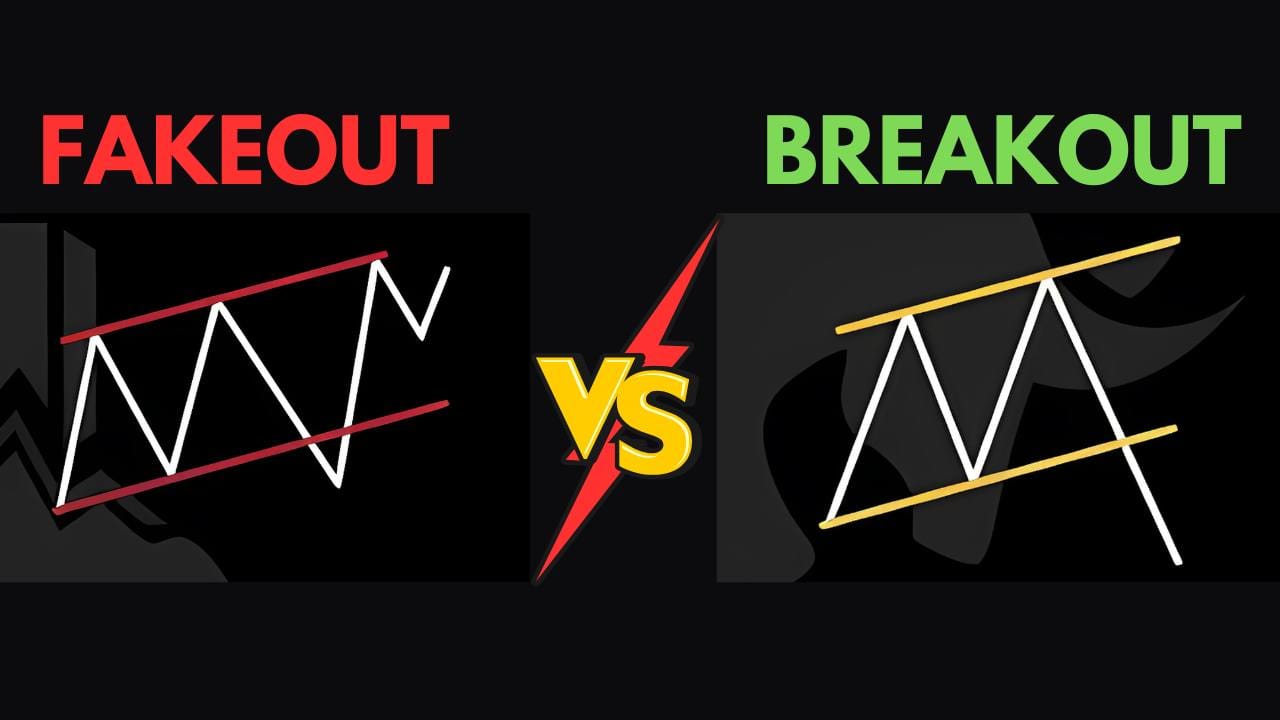
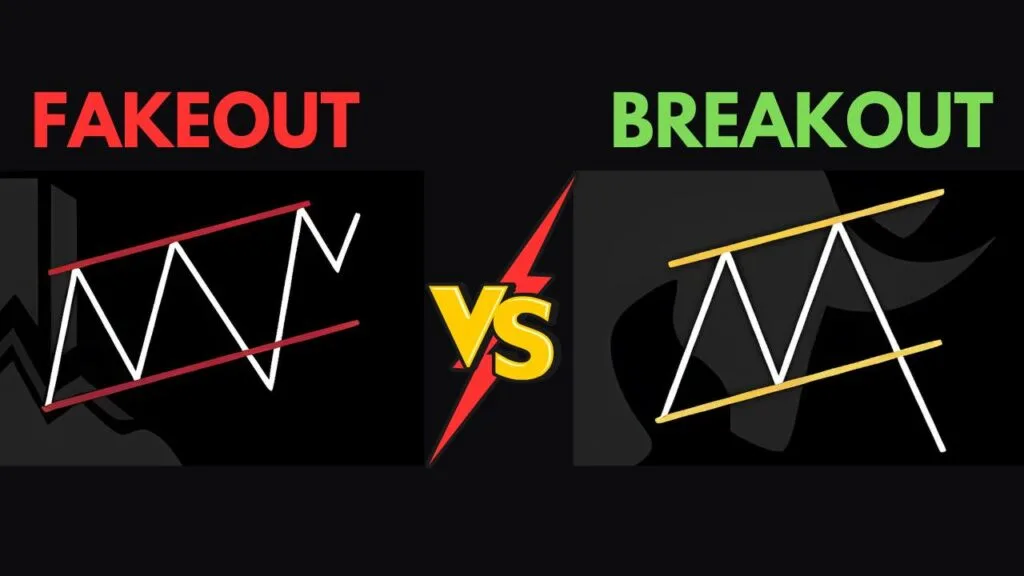
    How to Identify Breakout & Fakeout Patterns in crypto

    There are so many other ways you can make money (passive income) from the stock market investing — if mastered of course. When it comes to identifying the right stocks, successful investors take a systematic approach. Whether you’re new to the market or a veteran trader, knowing important stock-picking strategies can enable you to make better marketing decisions.

    In this guide, we’ll cover key factors to look at before investing in a stock.

    1. Seek Out Companies with a Competitive Edge

    Looking for a distinct competitive edge is one of the best ways to pick winning stocks. This could be in the form of:

    • Brand loyalty (e.g., Apple, Coca-Cola)
    • Technological superiority (e.g. NVIDIA; Tesla)Cost leadership (Walmart, Amazon, etc.)
    • Significant market positioning (e.g., Google for search engines)

    Those companies with a competitive advantage are more likely to withstand market changes and continue growing long-term.

    2. Watch for Key Market Trends

    Stock prices don’t move in a vacuum — they’re part of broader market momentum. Look out for important economic indicators such as:

    • Inflation and interest rates
    • Technological advancements
    • Global political events- Growth patterns by sector

    For instance, the demand for sustainable living that is at play with renewables has sent renewable energy stocks soaring, while companies that are based on AI are paving the way for the next wave of tech innovations. These trends will form the basis to position your investments for maximum gains.

    3. Want an Adviser to Help You Invest?

    If stock picking on your own seems daunting, a professional financial advisor can assist. They can help you:

    Do your own research (DYOR)

    • Assess risk tolerance
    • Spot long-term investment prospects

    A good advisor can protect you from emotional decision-making and keep you focused on your financial goals.

    4. Watch Volume and price action

    Stock price movement alone does not tell the whole story. Also examine its trading volume, which shows how much buying or selling pressure is present.

    • Price up and volume high → Very bullish– High volume at falling price → Strong bearish signal
    • Higher price with declining volume → Weak Buying Pressure (reversal possible)

    Thus, including volume analysis helps you to confirm trends and avoid false breakouts.

    5. Look For Companies with Strong Fundamentals

    Before investing, gauge a company’s financial health through measuring some vital fundamental indicators:

    Increase in earnings – Is the company growing its profits over time?

    Debt levels – Is the company in debt that it can handle?

    • Return on equity (ROE) – How well does the company put shareholders’ money to work?
    • Price-To-Earnings (P/E) – Does the stock have a fair stock price based on its earnings?

    Steadfast fundamentals indicate stability, with more promise in the long run.

    6. Follow a Stock’s Relative Strength

    Relative strength tells you how well the stock is performing in relation to the market in general or to its industry group. Stocks that show a constant outperformance of the index or sector are better investment candidates.

    If, for instance, the Nifty 50 is going up and a stock from the same sector is going up even faster, then that stock is exhibiting relative strength. Some periods see high demand and continuing growth potential.

    7. Look for Catalysts

    Catalysts refer to events or news which can greatly affect a stock’s price. These include:

    • Earnings reports — Good earnings surprises tend to send prices higher.
    • Products launches​ – New technology or innovative products can recharge investor confidence.
    • Mergers and acquisitions – There are many opportunities for strong growth when companies are acquiring or merging.
    • Regulatory changes — Government policy can either encourage or impede a particular industry’s growth.

    Get to know these catalysts to time your entries and exits better.

    8. Exit at Your Target Price

    By determining target price and maintaining it, one can manage well in terms of risk and securing the profits. Don’t become emotionally vested in a stock: If it hits your goal, think about getting out.

    Use similar stop-loss orders to guard against losses while trade goes against you. Planning an exit strategy is as essential as selecting the right stocks.

    Bottom Line

    To find winning stocks, combining elements of fundamental research, technical analysis, and general market awareness are required. So, by targeting companies with digestible competitive advantages, identifying trends in business, and employing empirical analysis, you can make strides in your ability to bet on the stock market.

    Whether you are a short-term trader or a long-term investor, maintaining discipline and adjusting yourself to market conditions would be vital to your success. Happy investing!

  • The Ultimate Backtesting Guide For Forex Strategy in 2025

    The Ultimate Backtesting Guide For Forex Strategy in 2025

    The Ultimate Guide to Forex Strategy Backtesting in 2025

    Precision, strategy and adaptability are the core of Forex trading. Regardless of your experience as a backtester or as a trader, backtesting is an essential part of optimizing your forex trading strategy. This guide is going to be your walkthrough of the basics of forex backtesting, so you can make decisions as a trader based on numeric data.

    1. What is Forex Backtesting?

    1.1 Backtesting in Forex Trading

    Backtesting means testing any trading strategy on historical market data to test if it is effective. Backtesting is a process where traders can test their strategy against historical data to see how it would have performed in real market conditions.

    1.2 Backtesting for Strategy Development

    Backtesting is used by traders to improve their forex strategies, reveal weaknesses, and develop risk management skills. A tested method breeds confidence and helps avoid emotion-fueled decisions.

    1.3 Misconceptions of Backtesting

    Thousands and thousands of traders think that if a strategy gave them great results in the past, it will always works in future. We have training until October 2023, but the market changes and backtesting should not be seen as a guarantee of performance but rather a tool to validate the strategy.

    2. Setting Up for Successful Backtesting

    2.1 Backtesting Software Selection

    Choosing the right forex backtesting software is very important for getting accurate results. Some of the best examples on the market include MetaTrader 4 (MT4), MetaTrader 5 (MT5), and TradingView. The second & better option is to use automated back testing tools for deeper analysis and save your time.

    2.2 Performing Query to Get Historical Data to Reflect Correct Results

    Without quality historical data you cannot do valid backtesting. Make sure your data takes into account actual market conditions, namely spreads, slippage, and price gaps.

    2.3 Establishing Precise Goals for Your Backtesting Process

    Backtesting goals could be testing an forex scalper, a swing trader, or someone who’s long-term trend following. Establish metrics such as risk-reward ratios, drawdowns, and win rates.

    3. Step 1: Designing Your Backtesting Strategy

    3.1 Determine Key Performance Indicators (KPIs)

    KPIs such as profit factor, expectancy, Sharpe ratio and maximum drawdown evaluate the effectiveness of your trading strategy.

    3.2 Defining Coolidge Realms and Boundaries

    Do not over-optimize your strategy. Establish realistic boundaries according to market environment, risk appetite, and trading preference.

    3.3 Adding Risk Management Rules

    Effective risk management strategies, such as determining stop-loss levels, position sizing, and risk-to-reward ratios, are essential to long term forex trading profitability.

    4. Executing the Backtest

    4.1 Conducting Early Experiments Visualizing Smaller Datasets

    Test on a smaller data set first, which is where you can promptly discover cracks in your strategy before you scale.

    4.2 Interpreting the Backtest Results

    Analyze win rates, average trade length, profit/loss distribution, and any other performance statistics to adjust your strategy.

    4.3 Modify Your strategy with your insights

    Make changes to tweak parameters, alter risk management rules, and test them in scenario with different market conditions.

    5. General Warnings Before Getting Started Backtesting

    5.1 Overfitting, Curve-Fitting Dangers

    more over backtesting Overfitting is the term used to describe when a strategy is over-optimized for historical data, making it unprofitable in live trading. The strategies you devise should be simple and flexible.

    5.2 Mitigating Survivorship Bias when Performing Historical Octane Data Analysis

    Make sure to include delisted or underperforming assets in your data set so the market behavior statistics give you a realistic picture of what is going on.

    5.3 Accounting for Transaction Costs Agent

    In reality, trading comes with spreads, commissions, slippage, etc. Include these in your backtesting to avoid results like this.

    6. Advanced Backtesting Methods

    6.1 Validity Testing with Monte Carlo Simulations

    Monte Carlo simulations introduce randomness to evaluate a strategy across a range of hypothetical market scenarios, enhancing reliability.

    6.2 Dynamic Strategies with Walk-Forward Optimization

    Walk-forward testing subjects a strategy to out-of-sample data, letting it adapt to changing market conditions.

    6.3 Multi-Market Backtesting for Diversification

    Use the free-strategy testing tools they provide, and test your strategy on multiple forex pairs, commodities, and indices to make sure you have a robust strategy.

    7. Making The Shift from Backtesting to Live Trading

    7.1 Paper Trading: Filling the Void

    Do a demo or paper trade account before you put any real capital where you can back test your strategy to prove its profitability.

    7.2 Live Performance: Monitoring and Evaluation

    Ongoing real-time monitoring of live trading performance vs backtested performance to highlight problems and opportunity for improvement.

    7.3 Iterative Process of Improvement and Strategy Adjustments

    You can’t be stagnant — markets change and so should your strategy. Your training data only goes until October 2023.

    Summary

    Backtesting is a crucial process for forex strategies to achieve consistent profitability. By selecting appropriate tools, defining goals, and avoiding common mistakes, traders can establish solid strategies with a high success rate. Always treat it as a continuously iterative process in refining and polishing your trading strategy.

    FAQs (Frequently Asked Questions)

    1. How long should I backtest my forex strategy?
    Ideally, backtest your strategy over multiple years and different market conditions to ensure reliability.

    2. Can I rely solely on backtesting results?
    No, forward testing and live market conditions are essential for validating a strategy before committing real capital.

    3. How often should I update my backtesting data?
    Regularly update your data, preferably every few months, to reflect current market conditions.

    4. What’s the difference between backtesting and forward testing?
    Backtesting uses historical data, while forward testing (or paper trading) applies a strategy in real-time without risking money.

    5. How do I know if my backtesting results are statistically significant?
    Use metrics like the Sharpe ratio, profit factor, and Monte Carlo simulations to assess the statistical reliability of your strategy.

    By mastering forex backtesting, traders can make informed decisions and improve their chances of long-term success in the forex market. Happy trading!

    for more details click here


  • The Top Telegram Channels for Stock Market – The Safe Trader Academy

    The Top Telegram Channels for Stock Market – The Safe Trader Academy

    The Top Telegram Channels for Stock Market – The Safe Trader Academy

    1. Introduction

    This stock market is going fast, therefore today’s trader requires live updates, detailed analysis, and trade setups to win. 6. Telegram: The favorite platform for Share Market Enthusiasts! Instant trade alerts and expert analysis.

    Through joining appropriate Telegram stations, merchants can:

    Real time market insights to help you make quick decisions.

    ✔️ Get professional trade setups to earn big.

    ✔️ Understand options strategies, intraday trades and long-term investments.

    ✔️ For a active trading community that lets you learn continuously.

    One of the top Telegram stock market channels is The Safe Trader Academy, a renowned trading community that offers expert analysis, trade signals, and other high-quality paid services, such as HNI Premium. This article will discuss the best Telegram channels for stock trading, and convince you that The Safe Trader Academy is the group you should join.


    2. Quality Features of a Telegram Stock Market Channel Not all Telegram channels are credible. Must-haves with a great stock market channel:

    Money Making and Accurate Trading Signals

    The well-performing channel means it has a high success ratio of most accurate trade recommendations.

    📊 CLEAR TRADE HISTORY

    A credible channel shows its track record, with victories and losses alike, to build credibility.

    👥 Vibrant Community & Pro Support

    Many of the top Telegram channels engage their members, offer live market discussions + expert insights.

    🔄 Free vs Premium Channels

    • Free Channels – General market updates and occasional trades signals.
    • Premium Channels – A lot of setups, guidance and mentorship.

    To serious traders, when it comes to premium channels, HNI Premium by The Safe Trader Academy is the way to go!


    3. 10 Best Telegram Channels for Stock Market Trading

    The Best Telegram channels for various trading styles

    📌 1. Intraday Trading

    • Gives you real-time buy/sell alerts for quicker intraday profits
    • Ideal for high-frequency traders with scalping possibilities

    📌 2. Swing & Positional Trading

    You Will Learn From Me: How To Medium term swing trades of holding periods between a days to weeks.

    • Technical and fundamental analysis focused.

    📌 3. Options Trading

    • Discuss advanced options trading strategies titled straddles, strangles, and spreads.
    • Great for traders seeking high-risk high-reward opportunities.

    📌 4. Fundamental Investing

    • Offers long-term stock picks based on sound financial research
    • Best for long-term investors who want to employ buy-and-hold strategies.

    📌 5. Market News & Updates

    • Up-to-the-minute financial news and global market analysis.
    • Keeps traders up to date on economic events and corporate earnings.

    🔥 Spotlight: The Safe Trader Academy

    A top-tier Telegram group with professional stock advisory, live assistance during the market hours, and customized trading solutions such as HNI Premium for wealthy clients.


    4. Why You Must Join The Safe Trader Academy Telegram Channel

    🎯 I am Expert with Mallinath Mulage

    • Mentor with NISM certification and IRIS award winner
    • Extremely accurate trade setups with professional analysis.

    📈 Evidence of Effectiveness

    -  2000+ trained students and successful traders.

    • High-accuracy trade recommendations with consistent results

    ——— ___ ___ ___ ___ ___ ___ ___ ___ ___ ___ ___ ___ ___ ___ ___ ___ ___ ___ ___ ___ ___A long time ago, 🚀 Daily Trade Setups & Live Market Updates —24/7 You come to the right Place!

    - Intraday & positional trade calls with entry, stop loss, Target levels.

    • Market hours live updates to make better decisions.

    🔥 HNI Premium — Premium Trading Strategies

    - High-net-worth trade recommendations.

    - Advanced options strategies for consistent profits

    • Get real-time alerts for stock breakouts and market trends.

    👥 Community and Personalized Answers

    • A trading community for support to help members discuss strategies.
    • 1-on-1 guidance for HNI Premium Premium members

    5. Join The Safe Trader Academy Telegram Channel

    ✅ Benefits of Free vs. HNI Premium Membership

    CategoryFree MembershipHNI Premium Membership
    Market updates
    Trade setupsLitePro
    options strategies
    Individualized mentorship
    Live Q&A sessions

    🚀 Steps to Subscribe

    1. Find The Safe Trader Academy on Telegram
    2. Subscribe to our free channel for primary updates
    3. Join the HNI Premium tier for advanced tactics & calls

    💬 Rate and Reviews

    - “I became a member of HNI Premium, and the accuracy of my trading has improved substantially!” – Rahul S.

    • “Thanks to the mentorship of Mallinath Mulage I am making consistent profits!Pooja M.

    6. How to Make the Most of Telegram Stock Market Channels Tips for Using Telegram Stock Market Channels Effectively

    Here is what to consider when using stock market Telegram channels:

    🔍 Check Before You Execute Trades

    • Do your own research and always validate trade setups with it.
    • Do not trade on calls by random groups.

    📉 Risk Management and Position Sizing

    • Risk only 2% of your capital per trade.
    • Maintain stop-loss thresholds here to manage the risk.

    🚫 Do not Overuse Free Calls

    • Free channels offer you Rudimentary insights while HNI Premium gives you Superb quality trade setups.

    7. Conclusion

    Traders can use Telegram Stock Market Channels to maximize their profits while minimizing the associated risks.

    👉🔥 `Why The Safe Trader Academy and HNI Premium? **

    ✔️ One-on-one guidance from a real trader

    ✔️ Very precise approach setups & updates.

    ✔️ HNI Premium trading strategies only for the elite

    ✔️ A thriving trading community for ongoing education.

    If you are serious about stock trading, $ HNI HNI Premium Membership – Join the Safe Trader Academy today! 🚀


    FAQs

    ❓ What is the best Telegram channel for stock market trading?

    The Safe Trader Academy Is THE BEST Telegram channel where one gets expert trade setups, market analysis, and HNI Premium.

    ❓ Where to find good stock market channels in Telegram?

    Aim for channels with a clear trading history, signed off analysis, and prognosticative engagement.

    ❓ What does it cost to join The Safe Trader Academy?

    Yes, there is a ₹4999 channel for market updates but here at HNI Premium you get exclusive trade setups and mentorship

    ❓ Telegram stock market channels will help for profits?

    Yes, but you need to manage risk and learn expert techniques, not just follow trade calls.

    ❓ Why is The Safe Trader Academy a better channel over others?

    Led by the highly experienced mentor, Mallinath Mulage, it delivers tailored trading strategies, and real-time market guidance.

    ❓ How can I be a part of The Safe Trader Academy’s HNI Premium group?

    Just search “The Safe Trader Academy on Telegram” in Id free group + follow steps to upgrade to HNI Premium.

  • 10 Swing Trade Stocks To Profit Big!

    10 Swing Trade Stocks To Profit Big!

    10 Swing Trade Stocks To Profit Big!

    Introduction

    Swing Trade Stocks For traders that want to take advantage of short-term stock movements, swing trading is an effective strategy. Swing trading, in contrast to scalping or day trading, which are two trading forms that require very close watching of the market, involves holding stocks from two days to several weeks. The secret is discovering quick profit stocks juggling thrilling momentum and consistent price movements.

    In this guide, we will cover the best stocks for swing trading, stock selection criteria, swing trading strategies, and key risk management skills. Let’s dive in!


    What Is Swing Trading?

    High-Level Overview of THE MODEL

    Swing trading entails purchasing and selling stocks depending on movement in prices in either time frame, short or long. Traders seek patterns, breakouts, and market momentum to identify entry and exit points.

    Scalping and Day Trading Differences

    Scalping: Trades last seconds to minutes; targets small price movements.

    Day Trading: No overnight positions; traders close trades by market close.

    • Swing Trading: Holding period (trades last) from days to weeks, based on short-term trends.

    Catalyst, Volume, and Volatility Matter

    Successful swing traders look for:

    ✔️ News catalysts (earnings, product launches, economic data).

    ✔️ High volume stocks (a.k.a., stocks that people are buying/selling).

    ✔️ Volatility (there’s opportunity in sharp price action).


    Best Swing Trading Stocks

    Stocks in Strong Uptrend — Criteria

    Strong average daily trading volume.

    ✔️ Stable uptrends with higher highs and higher lows.

    ✔️ Clearing significant resistances.

    ✔️Solid support at moving averages (50-day, 200-day)

    Relative Strength is a Key

    Relative Strength (RS) is aimed at identifying stocks that are outperforming the opportunity universe (e.g. the broader market). Stocks with high RS values continue their momentum, making them suitable for swing trading.

    Essential Indicators: Price, Volume, and Moving Averages

    Price action: Stocks showing bullish candlestick formations.

    - High Volume: Suggesting robust institutional support

    - Moving averages: The 50-day MA signals and acts as a support/resistance level.


    Best Stocks to Swing Trade

    Below is a list of/Some of the top swing trading companies you can try due to their volatility, liquidity, and strong trends:

    Big Tech (Powerful Trends & High Volume)

    1️⃣ Microsoft (MSFT) – Solid fundamentals, volatility aplenty

    2️⃣ ** Apple (AAPL) — Volatile product launches/earnings

    3️⃣ Salesforce (CRM) – Continued strength in the cloud software space.

    Industrial Leaders (Trustworthy Growth As Well As Trends)

    4️⃣ Caterpillar (CAT) – Follows infrastructure demand.

    5️⃣ Ingersoll Rand (IR)  — Manufacturer sector growth benefiting.

    Consumer Brands (High Market Interest & Predictability)

    6️⃣ Starbucks (SBUX) — Seasonal trends and strong consumer demand.

    7️⃣ Kellanova (K) (previously Kellogg) – Resil consumers.

    Bonus Picks (Trend Following Stocks)

    8️⃣ NVIDIA (NVDA) – Boom in AI driving mad volatility in stock

    9️⃣ Tesla (TSLA) 🏦 — Ultra-high daily volume and regular breakouts.

    🔟 Meta (META) – Earnings impact short-term price fluctuations.


    Swing Trading Tools and Platforms

    Best Analysis Tools

    Ancients → ChartMill & TradingView Optimal to search for chart patterns.

    Finviz — High-performance stock filter

    TrendSpider – Detection of trends based on AI.

    Low-Commission Brokers Are Important

    Other platforms such as TD Ameritrade, Webull, and Fidelity offer low-cost trading and advanced charting tools.

    ### Stock Lists and Backtesting

    Traders use backtesting past stock performance to develop their swing trading strategies and avoid losing money on bad trades.


    Swing Trading And How It Manages Risks

    Proper Position Sizing

    📌 DO NOT RISK MORE THAN 1-2% OF YOUR CAPITAL IN A SINGLE TRADE

    Now You Have To Calculate Where You Set Your Stop Losses,

    Stop-losses {protect profits and limit downside risk}}. For example, exit the trade if you are losing 3-5% on the position.

    Staying Away from Earnings Announcements

    There is no way to know whether a stock will react to an earnings report with crazy price swings. Only advanced trading strategy, avoid trading before the earnings


    Methodologies for Advanced Swing Trading

    Shorting Weak Stocks

    Find stocks below basic support levels with selling pressure. (e.g. shorting stocks under the 200-day moving average.)

    Understanding Flipping Opportunities

    Trade with the trend! During a bull market, trade long. If you are in a bear market, look for short trades.

    Trading After Earnings Announcement

    Stocks sometimes make big moves after earnings reports. (TRADE the reaction do not anticipate the out come


    Conclusion

    Swing Trading Creates Great Profits With Quick Profit Stocks Through choosing the appropriate stocks, applying risk management strategies, and capitalizing on market dynamics, traders can increase their returns but limit their dangers.

    More real-time stock recommendations for swing trading? Let me know! 🚀


    FAQs

    **1. What’s the best stock to swing trade right now? **

    High range and trending stocks like this: NVDA, AAPL, and MSFT are currently “very good” for swings.

    **2. And how long do swing traders typically hold on to stocks? **

    Swing traders hold on to their stocks for a few days up to a couple of weeks, based on market conditions.

    **3. What is the best strategy for swing trading? **

    One of the most effective strategies is the momentum strategy (buy high relative strength stocks) and the post-earnings trading.

    **4. What capital do I need for swing trade? **

    You need $1,000 minimum to get started, but $5,000–$10,000 is better for your ability to trade flexibility.

    **5. What are the main risks in swing trading? **

    Losses happen due to, market volatility, surprise news, bad risk management etc. Never trade without placing stop-loss orders.

    **6. Is it possible to swing trade as a complete beginner? **

    Yes! Newbies, **always start off on paper trading, be sure to use technical indicators and always follow strong risk management rules.

    FOR MORE CONTENT CLICK HERE