
Thesafetrader

Author: thesafetrader.in

  • Beginner’s Guide to Forex Trading India

    Beginner’s Guide to Forex Trading India

    The Complete Beginner's Guide to Forex Trading in India

    1.1. What is Forex Trading?

    Forex trading is short for foreign exchange trading, which involves buying and selling currencies on the global market. It’s similar to traveling abroad and exchanging your currency, but on much larger scale. Let’s say you are visiting the US, and you change your Indian Rupees for US Dollars. Now, that’s a very basic version of forex trading!

    A. The Size of the Global Forex Market and Its Opportunities

    The forex market is huge! It is the biggest financial market globally, with trillions of dollars changing hands each day. The sheer size of it means that there are always opportunities available to traders. It is like a 24×5 crowded where the shops never closes.

    B. Pros and Cons of Forex Trading

    Trading forex can be fun and lucrative, but it also carries its share of risks. The good news is you can trade with smaller amounts of money, trade at any time of day, and potentially make money when markets go up and down. But the forex market is volatile, and there is always risk that can lead to loss of your money. It’s kind of like surfing, thrilling when you catch the right wave, but you have to be ready for the occasional wipeout.

    2. When you have data upto October 2023.

    A. Economic and Regulatory Architecture: RBI & SEBI

    In India, there are two primary regulatory authorities that oversee forex trading: the Reserve Bank of India (RBI) and the Securities and Exchange Board of India (SEBI). They’re like umpires at a cricket match, ensuring everyone plays by the rules.

    B. India Forex Trading: Legal Considerations

    There are some legal restrictions on forex trading in India. For instance, not all currency pairs can be traded freely for Indian residents. It’s sort of like going a restaurant with virtual owners and very limited menu — the meal can still be good, but without much option.

    C. Which Currency Pairs Can Indian Traders Access?

    India FX is an over-the-counter market for Indian traders, including ones with currency pairs with the Indian Rupee and some major global currencies. You end up with something between a menu and an epicurean world tour.

    3. How to Start Trading Forex in India

    The Complete Beginner's Guide to Forex Trading in India: From Basics to Success

    A. Setting Up a Trading Account

    To begin forex trading, you have to open a trading account with a broker. The process is very similar to opening a bank account, just this time you are opening one for currencies.

    B. How to Choose a Forex Broker Trustworthy

    Choosing a reputable broker is vital. Check for regulations, customer support, and a friendlier platform. It’s like picking a good gym — you want one that’s reputable, one that’s going to help you, but one that has the right machines for your body type.”

    C. Forex Trading: The Essential Tools and Platforms

    Fintech has also changed the way we trade currencies. Among these are charting software, economic calendars, and news feeds. Familiarizing yourself with these tools is like learning how the equipment in the gym we talked about works – it takes time, but is key to your success.

    4. You have to make one of the most common mistakes that people do- Fundamental Analysis in Forex Trading
    The Complete Beginner's Guide to Forex Trading in India: From Basics to Success

    A. Economics and Its Influence

    Economic indicators are to an economy what vital signs are to a body. Economic data like GDP, inflation, and job numbers can impact a currency. Reading these indicators is a map that helps you find your way in the forex world.

    B. Market Reaction and Currency Moves

    Currency movement can be greatly affected by world events. Elections, trade agreements and natural disasters can push currencies higher or lower. You help me the way the weather can help me plan my picnic, but not predict my picnic.

    C. How to Utilize News & Reports to Guide Your Trades

    Forex trading requires staying on top of the financial news and reports. It’s similar to having an ear to the ground in your own marketplace — the more information you have, the more sound decisions you can make.

    5. Technical Analysis of Forex Traders

    A. The Timeframes and Charts Explained

    Technical analysis: Charts (your bread and butter). They illustrate the movement in currency prices over time. You can get different perspectives depending on the time frame you look at (for example, hourly, daily, or weekly charts). It’s similar to viewing a landscape – a bird’s eye perspective highlights the general landscape, while zooming closer reveals the small details.

    B. Technical Indicators is one of the most important market analysis tools.

    These are mainly tools used to forecast potential future price movements relative to past data. Some examples of popular technical indicators are moving averages, relative strength index (RSI), and Bollinger Bands. Using these is like learning to read the signs on a trail – they can help guide your trading decisions.

    C. Spotting Trends and Patterns

    Price action in forex markets invariably follows trends, and we see certain patterns repeating. Most importantly, these can help you make informed trading decisions. – Its like realizing it usually rains in the afternoon in monsoon season – knowing this helps you when planning.

    6. Forex Trading Strategy Development

    A. 028: Trading Goals and Risk Tolerance

    Having a plan in place of what you hope to accomplish and how much risk you are willing to take is essential to completing a successful trade. Are you in it for quick, small gains, or are you in it for the long run? From how much are you risking per trade? These are personal choices, much like how spicy you want your food to be – it comes down to imprints of your senses and their thresholds.

    B. How to develop and backtest a trading plan

    A solid trading plan should highlight your strategy, including when to enter and exit trades, position size, and the currency pairs you want to trade. It’s essentially similar to a recipe for your favourite dish – it guides you throughout the process and ensures constant results.

    C. Popular Forex Trading Strategies for the Beginners

    Beginners can get started with a plethora of strategies — trend trading, range trading, breakout trading, and so on. They each have their own method, as if there are different methods of cooking. You may have to experiment with a couple of types to figure out which one works best for you.

    7. The Importance Of Risk Management In Forex Trading

    A. Why Stop-Loss and Take-Profit Orders Are Crucial

    A stop-loss order will automatically close your trade if the price goes against you by a specified amount, while a take-profit will close it once you have achieved the profit you want. They’re like the safety nets in a circus act — they keep you from being hurt if the unexpected happens.

    B. Managing Position Sizes and Leverage

    Position sizing (how much the trader buys in each trade) and leverage (how much borrowed money the trader uses) are critical in risk management. Like choosing how many eggs to put into which basket, you want to maximize your potential gain and minimize your risk of loss.

    C. The Importance of Emotional Control and Discipline in Trading

    When trading, emotions get us to make rash decisions. The discipline and follow through to your trade plan remains key. It’s like being on a diet — it feels easier and more thrilling to break the promise, but discipline tends to pay off in the long run.

    8. Forex Strategies: Advanced Trading Techniques

    A. So what mitigation strategies could help to achieve this?

    Scalping is the practice of making a number of small trades across a single day, while day trading encompasses opening and closing a position on the same day. These tactics are fast-moving – as with a marathon sprint, they need to be applied quickly and are demanding.

    B. What is swing trading and position trading?

    Swing trading typically holds positions for several days to exploit price ‘swings.’ Position trading is even more long-term-scaled, with trades sometimes held up to weeks or months. It’s like running a marathon — it’s all about patience and a good feel of the broader market trends.

    C. Your Expertise Up to October 2023

    And then there are those who use an automated trading platform or an ’expert advisor’ to make trades for them according to predetermined rules. It’s like a rice cooker — you set it, and it does the work for you. However, you must be conscious of how it operates in order to make the most of it.

    9. How to Deal with the Tax Implications of Forex Trading in India

    A. Tax Obligations for Forex Traders: A Guide to Tax Regulations

    In India, profits from Forex trading are taxed. The precise tax treatment can vary depending on how regularly you trade and whether it’s classified as a business or capital gain. It’s a bit like calculating GST on your purchases — it has to be done, but can be complicated.

    B. How to Report Forex Trading Income

    You must declare your forex trading income on your tax return. Track all of your trades well — it’s like keeping receipts for the expenses to your business.

    C. Reaching Out For Expert Tax Advice

    Due to tax laws being quite complicated, you may want to consult with a tax professional who is familiar with the rules as they apply to you as a forex trader. If you’re sick and you need the doctor – so sometimes it’s expert help – you just need to check that everything’s in order.

    Summary

    Forex trading in India is fun and exciting sector but it is helpful to know the risks involved as well. So if you plan on successfully trading the forex market you need to know the basics, have a good strategy, the ability to control risk, and a commitment to continuous education. Keep in mind that, successful trading is a process, not a destination. So stay curious, stay disciplined, and happy trading!

    Questions And Answers (Q & A)

    1. Learn About Forex Trading in India: Is it Legal?
      Yes, but there are some limitations. The currency pairs you can trade are those which connect the Indian Rupee with some of the major global currencies.
    2. How much do I need to trade forex?
      You can begin with a small investment, but it is best to trade only what you can afford to lose.
    3. Can you live from forex trading?
      It can be done, but requires a lot of skill, experience and capital. For the vast majority of traders, it should be a supplement to income, not the sole source.
    4. How long does it take to learn forex trading?
      It takes a couple of weeks to learn the basics but mastering it can sometimes take months; often years of practice and study.
    5. What are the best hours to trade forex in India?
      The peak times are usually times when the markets in Asia, Europe and North America overlap, which in Indian time is usually towards the afternoon .


  • Use AI in Stock Trading & Retire Early

    Use AI in Stock Trading & Retire Early

    The Complete Beginner's Guide to Forex Trading in India

    Are you tired of watching your investments stagnate while others seem to effortlessly ride the waves of the stock market? The secret weapon that’s revolutionizing the world of trading might be right at your fingertips: Artificial Intelligence. But how can you harness this powerful tool to boost your portfolio’s performance?

    Imagine having a tireless assistant that analyzes vast amounts of financial data in seconds, spots trends before they become obvious, and makes decisions based on cold, hard facts rather than emotions. That’s the promise of AI in stock trading. From managing risk to providing personalized investment advice through robo-advisors, AI is transforming the way we approach the market. But is it really as simple as pushing a button and watching your wealth grow?

    In this blog post, we’ll dive deep into the world of AI-powered stock trading. We’ll explore how to integrate AI into your investment strategy, understand the types of data it analyzes, and address crucial questions about its suitability for beginners and overall safety. Whether you’re a seasoned trader or just dipping your toes into the stock market, get ready to discover how AI could be the game-changer you’ve been looking for. Let’s unlock the potential of AI in stock trading, step by step. 🚀📈

    How To Use Artificial Intelligence in Your Portfolio

    https://www.pexels.com/photo/woman-holding-a-black-tablet-computer-7698888/

    Stock Picking With AI

    AI-powered stock picking utilizes machine learning algorithms to analyze vast amounts of financial data, identifying potential winners. These systems can process market trends, company financials, and news sentiment faster than humans, providing data-driven investment recommendations.

    AI-Automated Portfolios

    AI-automated portfolios offer a hands-off approach to investing. Robo-advisors use AI to:

    • Allocate assets based on risk tolerance
    • Rebalance portfolios automatically
    • Implement tax-loss harvesting strategies
    FeatureBenefit
    Asset AllocationOptimized risk-adjusted returns
    Automatic RebalancingMaintains desired asset mix
    Tax-Loss HarvestingPotential tax savings

    Managing Risk With AI

    https://www.pexels.com/photo/photo-of-person-holding-smartphone-6802042/

    Managing Risk With AI

    Important

    AI plays a crucial role in managing investment risk by analyzing vast amounts of data and identifying potential threats. Here’s how AI contributes to risk management in stock trading:

    • Real-time market analysis
    • Fraud detection
    • Portfolio diversification
    • Volatility prediction
    Risk Management FeatureAI Advantage
    Market sentiment analysisProcesses news and social media
    Algorithmic tradingExecutes trades at optimal times
    Stress testingSimulates various market scenarios

    AI-powered risk management tools enable investors to make more informed decisions, potentially reducing losses and maximizing returns in volatile market conditions.

    How Robo-Advisors Use Artificial Intelligence

    https://www.pexels.com/photo/real-estate-agent-in-black-coat-discussing-an-ownership-agreement-to-a-couple-inside-the-office-8293651/

    How Robo-Advisors Use Artificial Intelligence

    AI-Driven Investment Strategies

    Robo-advisors leverage AI to create personalized investment strategies. They analyze vast amounts of financial data, market trends, and individual investor profiles to generate tailored portfolios. This AI-driven approach enables:

    • Automated asset allocation
    • Risk assessment and management
    • Real-time portfolio rebalancing

    Machine Learning for Market Analysis

    Robo-advisors employ machine learning algorithms to continuously analyze market conditions and adapt investment strategies. This dynamic approach offers:

    BenefitDescription
    EfficiencyRapid analysis of market data
    AccuracyReduced human error in decision-making
    AdaptabilityQuick response to changing market conditions

    Steps for Using Artificial Intelligence While Investing

    https://www.pexels.com/photo/close-up-photo-of-monitor-159888/

    Step 1: Set Out Your Financial Goals

    Before diving into AI-powered investing, it’s crucial to define your financial objectives. Consider the following:

    • Short-term vs. long-term goals
    • Risk tolerance
    • Investment amount
    • Desired returns
    Goal TypeExampleTypical Timeframe
    Short-termEmergency fund1-3 years
    Medium-termDown payment3-7 years
    Long-termRetirement10+ years

    Step 2: Choose Your Investing Method

    Once your goals are clear, decide how you’ll incorporate AI into your investment strategy. Options include:

    • Robo-advisors
    • AI-powered trading platforms
    • Hybrid approaches (combining AI with human advisors)

    What Is Artificial Intelligence (AI)?

    Definition of AI

    Artificial Intelligence (AI) refers to computer systems designed to mimic human intelligence and perform tasks that typically require human cognition. In the context of stock trading, AI systems analyze vast amounts of financial data, identify patterns, and make predictions or decisions based on that analysis.

    AI in Stock Trading

    AI ApplicationDescription
    Pattern RecognitionIdentifies trends in market data
    Predictive AnalyticsForecasts market movements
    Algorithmic TradingExecutes trades automatically
    Risk AssessmentEvaluates potential investment risks

    AI in stock trading leverages machine learning algorithms to process complex financial information, enabling more informed and faster decision-making than traditional methods.

    What Kind of Financial Data Is Analyzed by AI?

    https://www.pexels.com/photo/an-artificial-intelligence-illustration-on-the-wall-8849295/

    Types of Financial Data Analyzed by AI

    Market Data

    • Stock prices
    • Trading volumes
    • Bid-ask spreads
    Data TypeDescriptionAI Application
    HistoricalPast market performancePattern recognition
    Real-timeCurrent market conditionsInstant decision-making

    Company Fundamentals

    AI analyzes financial statements, earnings reports, and economic indicators to assess company health and potential. It processes vast amounts of structured and unstructured data, including news articles and social media sentiment, to provide comprehensive insights for informed investment decisions.

    Is Investing With AI Suitable for Beginners?

    Is Investing With AI Suitable for Beginners?

    AI-powered investing tools can be beneficial for beginners, offering:

    • Simplified portfolio management
    • Automated asset allocation
    • Lower entry barriers
    • Educational resources

    However, beginners should consider:

    ProsCons
    Reduced emotional biasLimited personalization
    Lower feesPotential overreliance on technology
    DiversificationLess control over investment decisions

    While AI can provide a solid foundation, beginners should still educate themselves on basic investment principles and understand the limitations of AI-driven strategies.

    Is Investing With AI Safe?

    Is Investing With AI Safe?

    Security Measures in AI Investing

    AI-powered investing platforms employ robust security measures to protect user data and investments. These include:

    • Encryption protocols
    • Multi-factor authentication
    • Regular security audits
    • Compliance with financial regulations
    Security FeaturePurpose
    EncryptionProtect sensitive data
    Multi-factor authPrevent unauthorized access
    Security auditsIdentify vulnerabilities
    Regulatory complianceEnsure legal adherence

    Potential Risks and Limitations

    While AI investing offers numerous benefits, it’s important to be aware of potential risks:

    • Algorithmic errors
    • Over-reliance on historical data
    • Lack of human intuition in unusual market conditions

    Can AI Predict the Stock Market?

    https://www.pexels.com/photo/graphs-display-on-an-ipad-187041/

    AI’s Predictive Capabilities in the Stock Market

    AI has shown promise in predicting stock market trends, but it’s not infallible. Machine learning algorithms can analyze vast amounts of data, identifying patterns that humans might miss. However, market unpredictability and external factors can still impact outcomes.

    AI StrengthsLimitations
    Data analysisUnexpected events
    Pattern recognitionMarket volatility
    Rapid decision-makingHuman emotions

    While AI enhances prediction accuracy, it’s crucial to combine it with human expertise for optimal results. Investors should view AI as a powerful tool rather than a crystal ball for stock market forecasting.

    The Bottom Line

    https://www.pexels.com/photo/person-holding-white-and-blue-box-5716001/

    The Bottom Line

    AI has revolutionized stock trading, offering sophisticated tools for analysis and decision-making. Here’s a quick summary of AI’s impact:

    AI ApplicationBenefit
    Data AnalysisFaster processing of vast financial datasets
    Risk ManagementReal-time assessment and mitigation of risks
    Predictive ModelsMore accurate market trend forecasts

    While AI enhances trading capabilities, it’s crucial to remember that human oversight remains essential. Successful investing combines AI’s efficiency with human intuition and strategic thinking.

    Related Articles

    https://www.pexels.com/photo/a-man-typing-on-typewriter-9757556/

    Related Articles

    • AI-Powered Investment Strategies: Revolutionizing Portfolio Management
    • Machine Learning in Trading: Enhancing Decision-Making Processes
    • The Rise of Robo-Advisors: Democratizing Wealth Management
    • Algorithmic Trading: Leveraging AI for High-Frequency Transactions
    Article TopicKey FocusBenefit to Readers
    AI Risk ManagementMitigating investment risksImproved portfolio stability
    Stock Market Prediction AIForecasting market trendsEnhanced investment timing
    AI Financial AnalysisDeep-dive into company financialsBetter-informed investment choices
    https://www.pexels.com/photo/person-using-black-laptop-computer-5716052/

    Artificial Intelligence has revolutionized the world of stock trading, offering investors powerful tools to enhance their portfolio management and decision-making processes. From risk assessment to data analysis, AI-driven technologies like robo-advisors are reshaping how both beginners and experienced traders approach the market. While AI can provide valuable insights and automate certain aspects of investing, it’s important to remember that it cannot predict the stock market with absolute certainty.

    As you explore the potential of AI in your investment strategy, consider starting with robo-advisors or AI-powered analysis tools to complement your research. Always maintain a balanced approach, combining AI insights with human judgment and a solid understanding of your financial goals and risk tolerance. By leveraging AI responsibly, you can potentially improve your investment outcomes and navigate the complex world of stock trading more effectively.

  • Scalping vs Swing: Which Strategy Wins?

    Scalping vs Swing: Which Strategy Wins?

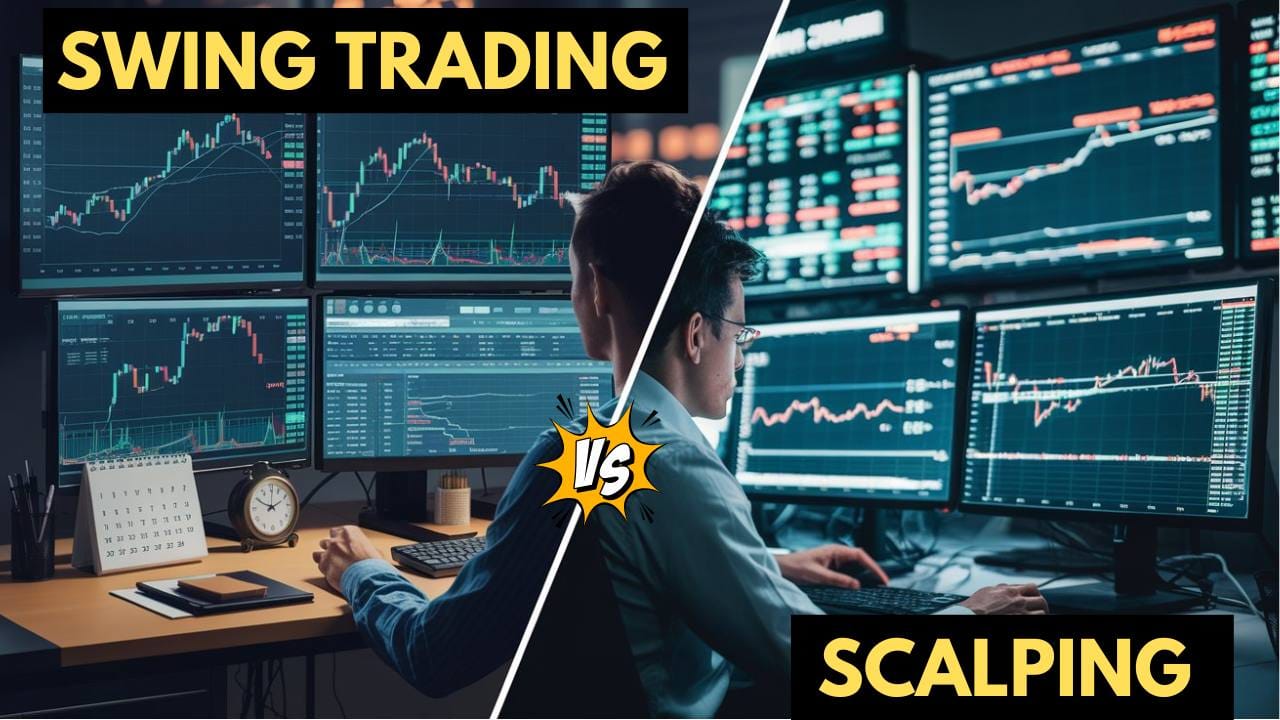
    Scalping vs Swing Trading

    Scalping vs Swing There are various types of trading in financial markets, each of which has its merits and demerits. Perhaps two of the most popular methods traders utilize are scalping & swing trading. But which is more profitable? There is no one-size-fits-all answer to this question, as it will vary depending on a number of factors, such as: time commitment; familiarity with the market; and own risk appetite.

    In this blog, we will compare scalping and swing trading based on the key important factors such as profitability and risk to help you choose the right strategy for yourself.


    Scalping and Swing Trading: Key Differences and Best Strategies

    What is Scalping?

    Scalping is started by day traders who want to make small profits on multiple trades that occur in a single day. Scalpers profit from millimeters of price changes, and leverage is often used to magnify their profits.

    Important Scalping Aspects:

    • Holding Period: Minutes to a few seconds– Trade Volume: Dozens or sometimes hundreds a dayYou train on data up to October 2023.– Leverage: High, in order to make the best out of small price changes
    • Risk level: High for the stock market, because they have so much exposure to it.

    Pros of Scalping:

    ✅ Fast gains from small moves in price

    ✅ No overnight exposure (all trades are closed before the day ends)

    ✅ Trading opportunities in abundance

    Cons of Scalping:

    ❌ Need tons of focus and super swift moves

    ❌ Costly transactions because of high trading frequency

    ❌ If you may become emotionally drained or stressed


    What is Swing Trading?

    Swing Trading: This medium-term strategy involves holding onto a position for several days to several weeks before closing it. Swing traders seek to capitalize on larger price movement by analyzing technical and fundamental trends.

    Characteristics of Swing Trading:

    • Holding Period: A few days to a few weeks
    • Number of Trades: Even few per week or month
    • Target Profit: Upward price movement; usually a percentage
    • Leverage: Moderate, based on risk profile
    • Class of Risk: Moderate overnight exposure

    Benefits of Swing Trading:

    ✅ Significant less screen time than scalping

    ✅ Fewer transaction costs✅ More emotional cushion as trades are not that quick

    Disadvantages of Swing Trading:

    ❌ Being exposed to overnight market risks

    ❌ You need to wait for situations that will be profitable

    ❌ Market gaps could cause losses that you did not expect


    Profitability Comparison Between Scalping and Swing Trading

    FactorScalpingSwing Trading
    Potential ProfitFrequent small profitsLess frequent larger profits
    Time CommitmentHigher, full attention neededLess so, trades develop over time
    Risk LevelHigh due to frequent exposureModerate, but includes overnight risks
    Skill RequiredQuick decision-making, technical analysisPatience, market trend analysis
    Stress EmotionalVery highMedium

    Which one is More Profitable?

    Scalping It can produce regular profits within a short timeframe but demands high concentration and discipline. Transaction costs, however, can erode profits.

    • Swing trading is a way traders can try to capture bigger moves, with less trades, making it more practical for part timers.

    Swing trading is usually more efficient and more effective in the long term for beginners or those who are not able to devote all day to the markets. On the contrary, scalping makes sense only when you are a brilliant trader who can make decisions quickly.


    Final Thoughts: Strategies to Pick the Right One

    Depending on your personality, time availability, and risk tolerance, the best trading strategy for you will vary. If you like fast action, can handle pressure, scalping could be the route for you. But if you want a more relaxed style with the possibility of greater profits, swing trading is more suitable.

    Regardless of approach, keep in mind that you need to engage in risk management and ongoing education to be profitable in trading over time.

    For more content CLICK HERE


  • From Zero to Trading: Can You Master the Markets in Just 45 Days?

    From Zero to Trading: Can You Master the Markets in Just 45 Days?

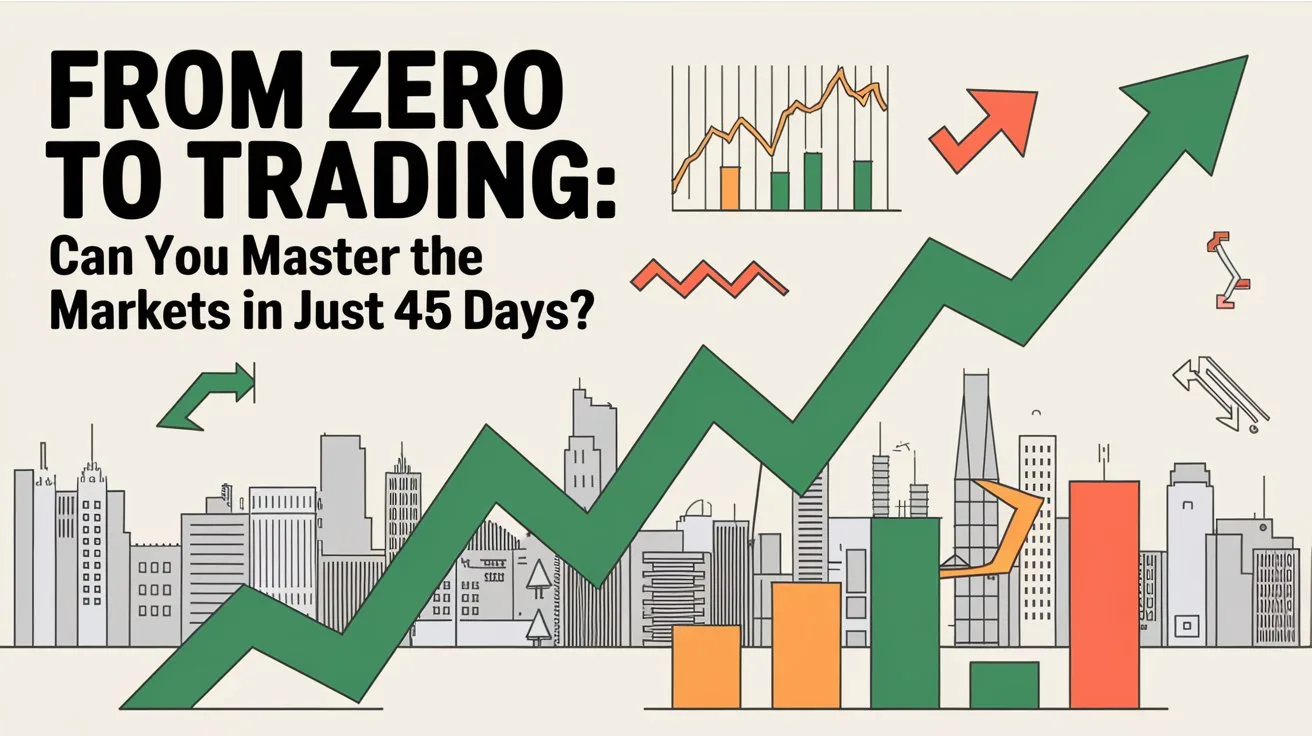
    From Zero to Trading Can You Master the Markets in Just 45 Days

    Trading legally is also generally regarded as so complicated that only those who have spent years in the industry and have a thorough understanding of market dynamics can do so. It is a question that so many aspiring traders ask: can they learn trading and become proficient in 1.5 months? Now, you won’t get to expert level within a few weeks, but you can certainly familiarize yourself with the key ideas, learn about basic strategies and get your head around risk management principles during this time.

    The question which arises is: how much you are able to learn about trading in the next 1.5 months? And how can you maximize this learning phase?

    At The Safe Trader Academy, we know that if you have the right approach, or the time you are willing to devote, as well as a structured learning plan, it is possible to build a strong foundation in trading within a matter of Weeks. In this post, we will be looking at what all you can achieve in that timeframe, and what factors can affect your learning journey.


    How Much Can You Learn About Trading in 1.5 Months?

    1. Understanding the Fundamentals of Trading

    Before you start executing trades, you need to learn about any trading basics. During the first two weeks, you have to worry about:

    • Learning about the different financial markets (stocks, forex, crypto, commodities)
    • Order Types: market orders, limit orders, stop-loss orders.
    • Selecting the right trading platform and broker.
    • How to place trades, how to read price movements and manage orders.

    This is because at The Safe Trader Academy we enable you through experience, so that you don’t just learn the theory but also know how to implement in simulated environments in order to feel confident.


    2. So let’s start with this basic and popular analysis technique: Technical and Fundamental Analysis

    At the end of week 3, you will have:

    • Know the price charts, based on support/resistance, trend lines, candlestick formations, etc.
    • Use fundamental analysis such as cash-flow, earnings reports and relative strength index. Here are the details: Understand basic analysis concepts, such as:— Economic indicators (interest rates, GDP, inflation).
      • Earnings reports.— The influence of news and global events on the market.

    Deep mastery of fundamental analysis may take longer, but within 1.5 months, you will have built enough knowledge to interpret key market signals and make informed trading decisions.


    3. Creating a Trading Plan

    Having a well-defined trading strategy is critical to trading success. Week 4: Experiment with different trading styles so you can figure out what fits you, including:

    - Day trading – trading and holding within one day

    • Swing trading – keeping trades open for multiple days to weeks.– Long term – investing for months or years.

    A massive factor in gaining an edge is risk management. You will learn:

    • How to place stop-losses and take-profits
    • Appropriate position sizing to not get overleverage.
    • Learning to balance risk-to-reward ratios with each trade.

    We train you in the safe trader academy how to backtest strategies with historical data on how test their power before putting them into practice in job.


    4. Psychological Aspects of Trading

    Learning to manage feelings is one of the most difficult aspects of trading, especially for novices. Week 5 — You should work on:

    • When it comes to decision-making, how fear and greed work.
    • Learning discipline to follow your trading plan.
    • Making a note on the fact that impulse decisions lead to losses.
    • Learning the value of patience and consistency.

    Your psychological traps can help identify them early, and it takes time to build mental resilience, but this will make you a more confident and rational trader.


    5. Training the Practical Experience of Trading

    The last two weeks are game time!

    1. Step 1: Start on a demo account – Trade Take steps 2–4 without financial risk.
    2. Switch to live trading with small sums of money – Experience real market conditions.
    3. Go over your trades – What are your errors and winners.

    We provide you with structured practical exercises at The Safe Trader Academy to enable you to experience trading in real life without putting your hard-earned money at immediate risk.


    Things that Make Your Learning Time Variant

    1. Time Commitment

    The more time you spend on studies and practice, the quicker you will develop. If you’re able to dedicate 3–5 hours per day, you should have a grasp of trading concepts well ahead of someone who puts in a few hours a week.

    2. Prior Knowledge and Experience

    If you possess a financial, investment, or economic background, it will be easier for you to comprehend trading concepts. But even total noobs can pick up fast when given a proper framework for it.

    3. Learning Approach

    Yourtraining approach is the key. By concentrating on singular objectives: such as learning chart patterns → through risk management, you will advance much quicker. And at The Safe Trader Academy, we provide a structure learning path for efficient learning.

    4. Psychological Resilience

    Trading is not only about strategy — it’s also about emotional control. How fast you improve will depend on your ability to stay disciplined, stick with the game plan, and learn from mistakes.

    5. Market Conditions

    A volatile market creates more learning opportunities, while a slow market increases the chance you will not learn patterns. These will improve your adaptability because there were different market conditions.


    Conclusion

    Although all of this in 1.5 months is less than enough to become a trading expert, it definitely is enough to lay a solid foundation. After this period you’ll be having a solid understanding of the following:

    • Trading basics.
    • Strategy development.- FA and TA.
    • Market psychology.

    And at The Safe Trader Academy, we teach you the skill-set, mindset, and action-set that you need to fast track your trading today. If you are a beginner or wanted to improve your learning, structured learning can be very helpful.

    🚀 **Want to begin your trading journey? ** Get started in The Safe Trader Academy now — and begin the journey to **financial freedom! **


    FAQs

    1. So ideally, how long will it take to start trading a strategy live?

    Yes…but begin with small amounts after trading with a demo account. This allows to limit the risk while you gain experience.

    2. How to learn trading in the most efficient possible way?

    Graduation course design, word-of-mouth self-study, technical practice. A step-by-step curriculum like what is only offered at The Safe Trader Academy guarantees that you learn things the way you should so that you don’t go back and forth in the process of educating yourself!

    3. Is a trading career limited to those who studied finance?

    Do you need to have loads of experience with finance? With structured guidance, even complete beginners can learn trading well.

    4. I am skilled on data until October 2023.

    It also depends on the market and strategy you go with. Some brokers let you start with as little as $100, but a more realistic starting point is $500–$1,000.

    5. What do new traders get wrong the most?

    • Trading without a plan.– Allowing feelings dictate choices.
    • Overleveraging and making overly risky investments.
    • Not knowing how to properly manage risk.

    ** All these mistakes you want to avoid? Get started with The Safe Trader Academy today and learn from seasoned traders! **

    ENROLL NOW FOR OUR 45 DAYS STOCK MARKET PROGRAMM

  • Top 5 Most Traded Currency Pairs and Why They Matter

    Top 5 Most Traded Currency Pairs and Why They Matter

    Top 5 Most Traded Currency Pairs

    Top 5 Most Traded Currency Pairs The forex market is the largest and most liquid financial market in the world, with an average daily trading volume exceeding $7.5 trillion. It operates 24/5, allowing traders from across the globe to buy and sell currency pairs at any time. But not all currency pairs are equally popular. Some pairs dominate the market due to their liquidity, stability, and economic influence.

    Understanding the top traded currency pairs is essential for traders who want to capitalize on market trends, minimize risk, and maximize profits. This article explores the top five most traded currency pairs, why they are so popular, and how traders can benefit from them.


    1. Understanding Currency Pairs

    A currency pair represents the exchange rate between two currencies. The first currency in the pair is the base currency, while the second is the quote currency.

    For example, in EUR/USD = 1.10, one euro is worth 1.10 US dollars.

    Types of Currency Pairs:

    1. Major pairs – Highly liquid and involve the USD (e.g., EUR/USD, GBP/USD).
    2. Minor pairs – Do not include USD but are still widely traded (e.g., EUR/GBP, AUD/JPY).
    3. Exotic pairs – Include a major currency and an emerging market currency (e.g., USD/TRY, EUR/ZAR).

    Major pairs are the most traded due to their high liquidity, tighter spreads, and strong economic backing.


    2. Why Some Currency Pairs Are More Traded Than Others

    Some currency pairs dominate the forex market due to several key factors:

    • Economic Strength: Countries with strong economies (USA, EU, Japan, UK) attract more investors, increasing currency demand.
    • Liquidity: The more a currency is traded, the easier it is to buy and sell without affecting the price significantly.
    • Global Trade & Finance: Currencies tied to major economies and international trade see higher transaction volumes.
    • Volatility: Traders prefer pairs with moderate volatility to take advantage of price fluctuations while managing risk.

    Now, let’s explore the top five most traded currency pairs and why they dominate the forex market.


    3. The Top 5 Most Traded Currency Pairs

    3.1. EUR/USD (Euro/US Dollar)

    • The most traded forex pair, accounting for nearly 28% of daily forex transactions.
    • High liquidity ensures tight spreads and lower trading costs.
    • Strong economic impact from US Federal Reserve (Fed) and European Central Bank (ECB) policies.
    • Highly reactive to interest rate changes, inflation, and geopolitical events.

    3.2. USD/JPY (US Dollar/Japanese Yen)

    • Represents two of the world’s largest economies – the USA and Japan.
    • The Bank of Japan (BoJ) plays a crucial role in controlling the yen’s value.
    • Known for its safe-haven appeal, as JPY strengthens during global economic uncertainty.
    • Offers excellent trading opportunities due to frequent volatility.

    3.3. GBP/USD (British Pound/US Dollar)

    • Known as “Cable”, this pair has a long history in forex trading.
    • Affected by Bank of England (BoE) policies, UK economic reports, and Brexit-related developments.
    • More volatile than EUR/USD, offering higher profit potential but also greater risk.
    • Popular for swing trading and day trading strategies.

    3.4. USD/CHF (US Dollar/Swiss Franc)

    • The Swiss franc (CHF) is a safe-haven currency during economic instability.
    • Swiss National Bank (SNB) plays a key role in controlling CHF appreciation.
    • Often used as a hedging tool in uncertain markets.
    • Less volatile than other major pairs, making it attractive for conservative traders.

    3.5. AUD/USD (Australian Dollar/US Dollar)

    • Highly influenced by commodity prices (gold, iron ore, coal).
    • Strong correlation with China’s economic performance, as China is Australia’s largest trading partner.
    • Known for higher volatility, making it popular among short-term traders.
    • Impacted by Reserve Bank of Australia (RBA) interest rate decisions.

    4. Why These Currency Pairs Matter in Forex Trading

    • They offer high liquidity, ensuring fast trade execution.
    • Have low spreads, reducing transaction costs.
    • Heavily influenced by major economic indicators, making analysis easier.
    • Provide opportunities for both short-term and long-term trading strategies.

    8. Conclusion

    The forex market revolves around a handful of dominant currency pairs, with EUR/USD, USD/JPY, GBP/USD, USD/CHF, and AUD/USD leading the way. These pairs attract the highest trading volume due to their liquidity, stability, and economic influence. Whether you’re a beginner or an experienced trader, focusing on these major currency pairs can provide better price movements, lower trading costs, and more predictable trends.

    Understanding what drives these currencies—such as central bank policies, interest rates, and global economic events—is essential for making informed trading decisions. The right trading strategy and proper risk management can help traders capitalize on market opportunities while minimizing losses.

    If you’re looking to step into forex trading, starting with these top currency pairs is the best way to navigate the fast-moving world of foreign exchange. Keep learning, stay updated with economic news, and develop a disciplined approach to succeed in the forex market.

    For more Click Here

  • Crypto Trading Tips: How to Trade Like a Professional

    Crypto Trading Tips: How to Trade Like a Professional

    Crypto Trading Tips How to Trade Like a Professional

    Cryptocurrency trading is one of the most exciting and volatile markets in the world. Unlike traditional stocks and forex, crypto markets operate 24/7, offering endless opportunities for traders to profit. But while some traders make massive gains, others lose their entire investment. What separates successful pro traders from beginners? The answer lies in their strategies, discipline, and market knowledge.

    This article reveals the trading secrets used by professional crypto traders, covering essential strategies, risk management, psychology, and advanced techniques. Whether you’re a beginner or an experienced trader, these insights will help you trade smarter and maximize your profits.


    Understanding the Basics of Crypto Trading

    Crypto Trading Tips: How to Trade Like a Professional

    Before diving into pro strategies, it’s crucial to understand the basics of crypto trading.

    What is Crypto Trading?

    Crypto trading involves buying and selling digital assets like Bitcoin (BTC), Ethereum (ETH), and other altcoins to make a profit. Traders use different strategies based on market conditions, risk tolerance, and personal preferences.

    Types of Crypto Trading:

    • Day Trading – Buying and selling within a single day to profit from short-term price movements.
    • Swing Trading – Holding assets for several days or weeks to capitalize on medium-term trends.
    • Scalping – Making multiple quick trades within minutes or hours to take advantage of small price fluctuations.
    • HODLing (Long-Term Holding) – Buying and holding crypto assets for months or years, betting on long-term price appreciation.

    Key Differences Between Traditional and Crypto Trading:

    • Higher Volatility – Crypto markets can experience massive price swings in minutes.
    • 24/7 Market – Unlike stocks, crypto trading never stops.
    • Lack of Regulation – Fewer restrictions, but also higher risks of manipulation.

    To succeed in crypto trading, you need to understand these fundamentals and adapt your strategy accordingly.


    Essential Tools and Indicators for Crypto Traders

    Pro traders rely on powerful tools to analyze price movements, track trends, and make informed decisions.

    Top Trading Platforms and Exchanges:

    • Binance – Popular for spot and futures trading.
    • Coinbase – Best for beginners.
    • Bybit & FTX – Preferred for leverage and derivatives trading.

    Technical Analysis Tools:

    • Moving Averages (MA) – Helps identify trends.
    • Relative Strength Index (RSI) – Measures overbought or oversold conditions.
    • MACD (Moving Average Convergence Divergence) – Indicates momentum shifts.

    Fundamental Analysis and Market Sentiment:

    • Monitoring on-chain data (e.g., Bitcoin wallets, exchange inflows/outflows).
    • Analyzing project fundamentals (team, technology, adoption).
    • Evaluating social media and news for trends and hype cycles.

    Having a solid toolkit and understanding market signals will give you a competitive edge in crypto trading.


    Pro Traders’ Risk Management Strategies

    Crypto Trading Tips: How to Trade Like a Professional

    Even the best traders lose money sometimes. What sets them apart is how they manage risks and protect their capital.

    Key Risk Management Techniques:

    1. Setting Stop-Loss and Take-Profit Orders:
      • Stop-loss: Automatically sells an asset when the price drops to a certain level to prevent major losses.
      • Take-profit: Locks in profits when the price reaches a target level.
    2. Risk-to-Reward Ratio:
      • Pro traders aim for at least 1:3 risk-to-reward (risking $100 to potentially gain $300).
    3. Portfolio Diversification:
      • Never put all funds into one crypto. Spread investments across Bitcoin, altcoins, and stablecoins to reduce risk.
    4. Position Sizing:
      • Never risk more than 1-2% of your portfolio on a single trade.
    5. Avoiding Over-Leverage:
      • Leverage increases profits but also risks liquidation. Pro traders use leverage cautiously.

    By implementing strong risk management, traders can stay profitable in the long run despite market fluctuations.


    Market Trends and Technical Analysis Secrets

    Pro traders excel at reading price action, identifying patterns, and predicting market movements.

    Key Market Trend Analysis Techniques:

    • Support and Resistance Levels: Identifying price points where assets tend to bounce or reverse.
    • Candlestick Patterns: Recognizing bullish and bearish formations like Doji, Engulfing, and Head & Shoulders.
    • Fibonacci Retracement: Used to identify potential price reversal points based on historical trends.

    Pro Trading Secret:

    Most beginners chase trades, but pro traders wait for confirmations before entering positions. They combine multiple indicators instead of relying on just one.

    For more content click here

  • Best Ways to Avoid Losses in Forex Trading for Beginners in 2025

    Best Ways to Avoid Losses in Forex Trading for Beginners in 2025

    Best Ways to Avoid Losses in Forex Trading for Beginners

    Imagine turning on your computer, logging into your trading account, and seeing your hard-earned money vanish in seconds. 😱 For many forex trading beginners, this nightmare scenario is all too real. The allure of quick profits often blinds newcomers to the harsh realities of the currency markets, leading to devastating losses that can shatter both finances and confidence.

    But what if you could sidestep these pitfalls and set yourself up for success from day one? 🚀 The forex market, with its $6.6 trillion daily trading volume, offers immense opportunities for those who approach it with the right knowledge and strategies. Whether you’re dreaming of supplementing your income or aiming for financial freedom, mastering the art of forex trading can be your ticket to achieving those goals.

    In this comprehensive guide, we’ll explore the nine essential strategies that can help you avoid costly mistakes and build a solid foundation for your forex trading journey. From understanding the basics to implementing advanced technical analysis, we’ll cover everything you need to know to navigate the forex waters with confidence. So, buckle up and get ready to transform your trading approach – your future self will thank you! 💪💼

    Understand Forex Basics

    Learn key terminology

    To avoid losses in forex trading, beginners must first master the essential terminology. Here’s a quick overview of some crucial terms:

    • Pip: The smallest price movement in forex trading
    • Spread: The difference between the bid and ask price
    • Leverage: Borrowed capital to increase potential returns
    • Margin: The required collateral for a leveraged trade

    Understanding these terms is vital for effective communication and decision-making in the forex market.

    Grasp market dynamics

    Forex markets are driven by various factors, including:

    1. Economic indicators
    2. Political events
    3. Interest rates
    4. Market sentiment
    FactorImpact on Currency
    Strong economic dataCurrency appreciation
    Political instabilityCurrency depreciation
    Higher interest ratesCurrency strengthening
    Positive market sentimentIncreased demand for currency

    Recognizing these dynamics helps traders anticipate potential market movements and make informed decisions.

    Familiarize with currency pairs

    Currency pairs are the foundation of forex trading. They are typically categorized as:

    • Major pairs (e.g., EUR/USD, GBP/USD)
    • Minor pairs (e.g., EUR/GBP, AUD/CAD)
    • Exotic pairs (e.g., USD/TRY, EUR/ZAR)

    Each pair has unique characteristics and behaves differently based on market conditions. Beginners should focus on major pairs initially due to their higher liquidity and tighter spreads.

    Recognize trading sessions

    The forex market operates 24 hours a day, but it’s divided into four main sessions:

    1. Sydney
    2. Tokyo
    3. London
    4. New York

    Understanding these sessions is crucial as market volatility and liquidity vary throughout the day. Traders should align their strategies with the most suitable trading sessions for their chosen currency pairs.

    Develop a Solid Trading Plan

    https://www.pexels.com/photo/black-remote-control-beside-silver-round-analog-wall-clock-6120218/

    Set clear financial goals

    When developing a solid trading plan, setting clear financial goals is crucial. These goals provide direction and motivation for your forex trading journey. Here’s a breakdown of how to set effective financial goals:

    1. Short-term goals (1-3 months):
      • Learn basic forex concepts
      • Complete demo account trades
      • Achieve a consistent profit ratio
    2. Medium-term goals (3-12 months):
      • Transition to live trading
      • Reach a specific account balance
      • Improve win-loss ratio
    3. Long-term goals (1+ years):
      • Achieve consistent monthly profits
      • Diversify trading strategies
      • Consider forex as a primary income source
    Goal TypeExampleTimeframe
    Short-termLearn 5 key forex indicators1 month
    Medium-termGrow account by 20%6 months
    Long-termGenerate consistent 10% monthly returns2 years

    Define risk tolerance

    Understanding your risk tolerance is essential for avoiding significant losses in forex trading. Consider the following factors:

    • Financial situation
    • Trading experience
    • Emotional capacity for risk

    A common rule of thumb is to risk no more than 1-2% of your account balance per trade. This approach helps protect your capital while allowing for potential growth.

    Choose appropriate timeframes

    Selecting the right timeframes for your trades can significantly impact your success. Consider these popular timeframes:

    1. Short-term (scalping): 1-minute to 15-minute charts
    2. Intraday: 15-minute to 4-hour charts
    3. Swing trading: 4-hour to daily charts
    4. Long-term: Weekly or monthly charts

    Choose timeframes that align with your lifestyle, trading style, and risk tolerance. Remember, shorter timeframes require more active management, while longer timeframes allow for a more relaxed approach.

    Establish entry and exit strategies

    Developing clear entry and exit strategies is crucial for maintaining discipline and avoiding emotional decision-making. Consider these elements:

    • Entry criteria (e.g., technical indicators, price action patterns)
    • Stop-loss placement
    • Take-profit targets
    • Trailing stops for maximizing profits

    By following these guidelines and incorporating them into your trading plan, you’ll be better equipped to navigate the forex market and minimize potential losses. Next, we’ll explore essential risk management techniques to further protect your trading capital.

    Master Risk Management Techniques

    https://www.pexels.com/photo/man-wearing-suit-smiling-8353804/

    Use stop-loss orders effectively

    Stop-loss orders are crucial tools for minimizing potential losses in forex trading. These automated orders close your position when the market reaches a predetermined price level, protecting you from significant losses if the market moves against your position.

    To use stop-loss orders effectively:

    1. Set realistic stop-loss levels
    2. Consider market volatility
    3. Avoid placing stops too close to entry
    4. Adjust stops as the trade progresses
    Pros of Stop-Loss OrdersCons of Stop-Loss Orders
    Limit potential lossesMay be triggered by temporary price fluctuations
    Automate risk managementCan lead to missed opportunities if set too tight
    Reduce emotional tradingMay not protect against gap downs or extreme volatility

    Implement proper position sizing

    Position sizing is a critical aspect of risk management in forex trading. It involves determining the appropriate amount of capital to allocate to each trade based on your risk tolerance and account size.

    Key considerations for proper position sizing:

    • Use a fixed percentage of your account per trade (e.g., 1-2%)
    • Calculate position size based on stop-loss distance
    • Adjust position size for higher-risk trades

    Diversify your trades

    Diversification helps spread risk across different currency pairs and strategies. By avoiding overexposure to a single trade or market, you can protect your portfolio from significant losses.

    Ways to diversify in forex trading:

    1. Trade multiple currency pairs
    2. Use different timeframes
    3. Employ various trading strategies
    4. Consider correlated and uncorrelated pairs

    Avoid overleveraging

    Leverage can amplify both profits and losses in forex trading. While it can increase potential returns, it also significantly increases risk. As a beginner, it’s crucial to use leverage cautiously and understand its implications.

    Now that we’ve covered essential risk management techniques, let’s explore how to enhance your trading psychology to further improve your forex trading performance.

    Enhance Your Trading Psychology

    https://www.pexels.com/photo/gold-bar-lot-47047/

    Control emotions while trading

    Emotional control is crucial in forex trading. Beginners often fall prey to fear and greed, leading to impulsive decisions. To avoid this:

    1. Recognize emotional triggers
    2. Take breaks during high-stress periods
    3. Set predetermined entry and exit points
    4. Use stop-loss orders to limit potential losses
    EmotionImpact on TradingMitigation Strategy
    FearMissed opportunitiesStick to your trading plan
    GreedOvertrading, excessive riskSet profit targets
    AngerRevenge tradingStep away from the platform

    Practice patience and discipline

    Patience and discipline are key to successful forex trading. Beginners should:

    • Wait for high-probability setups
    • Avoid overtrading during quiet market periods
    • Stick to their trading plan consistently
    • Resist the urge to chase losses

    Learn from losses without dwelling

    Losses are inevitable in forex trading. To grow from them:

    1. Analyze each losing trade objectively
    2. Identify areas for improvement
    3. Adjust your strategy if necessary
    4. Move on to the next opportunity without emotional baggage

    Maintain a trading journal

    A trading journal is an invaluable tool for enhancing your trading psychology. It helps you:

    • Track your progress
    • Identify patterns in your trading behavior
    • Evaluate the effectiveness of your strategies
    • Hold yourself accountable

    By focusing on these aspects of trading psychology, beginners can significantly reduce their chances of incurring losses in forex trading. Remember, successful trading is as much about mindset as it is about market knowledge. With a strong psychological foundation, you’ll be better equipped to handle the challenges of the forex market. Next, we’ll explore how utilizing demo accounts can provide invaluable practice without risking real capital.

    Utilize Demo Accounts for Practice

    https://www.pexels.com/photo/photo-of-person-holding-smartphone-6802042/

    Test strategies risk-free

    Demo accounts provide an invaluable opportunity for beginners to test their forex trading strategies without risking real money. Here’s why this is crucial:

    • Risk-free environment: Experiment with various approaches without financial consequences
    • Strategy refinement: Identify strengths and weaknesses in your trading plan
    • Performance tracking: Monitor your success rate and adjust accordingly
    Strategy TypeBenefits of Testing in Demo
    Trend FollowingPractice identifying trends and optimal entry/exit points
    ScalpingTest rapid execution and short-term profit taking
    Swing TradingExperiment with holding positions over multiple days
    News TradingLearn to react to market news without emotional pressure

    Familiarize with trading platforms

    Mastering the tools of the trade is essential for successful forex trading. Demo accounts allow you to:

    1. Explore platform features without time pressure
    2. Practice order placement and execution
    3. Understand charting tools and indicators
    4. Learn to set up watchlists and alerts

    Build confidence before live trading

    Demo trading builds the confidence needed to transition to live trading:

    • Develop a consistent trading routine
    • Experience the emotional aspects of trading without financial risk
    • Gain familiarity with market movements and volatility

    Experiment with different market conditions

    Demo accounts offer the flexibility to test your strategies across various market scenarios:

    1. High volatility periods (e.g., during major economic releases)
    2. Low liquidity times (e.g., during market closes)
    3. Trending markets vs. ranging markets
    4. Different currency pairs and their unique characteristics

    By utilizing demo accounts effectively, beginners can significantly reduce their risk of losses when they transition to live forex trading. This practice phase is crucial for developing the skills and confidence needed for successful real-world trading.

    Stay Informed on Market News

    Follow economic calendars

    Economic calendars are essential tools for forex traders, providing a schedule of important economic events and data releases that can impact currency markets. By following these calendars, beginners can:

    • Anticipate potential market volatility
    • Plan trades around significant announcements
    • Avoid unexpected surprises that could lead to losses

    Here’s a simple guide to using economic calendars effectively:

    1. Identify key events for your traded currency pairs
    2. Note the release times in your local timezone
    3. Understand the potential impact of each event
    4. Adjust your trading strategy accordingly
    Event TypePotential ImpactExample
    Interest Rate DecisionsHighFederal Reserve Rate Announcement
    GDP ReportsHighQuarterly GDP Growth Figures
    Employment DataMedium to HighNon-Farm Payrolls (NFP)
    Inflation ReportsMediumConsumer Price Index (CPI)

    Understand fundamental analysis

    Fundamental analysis involves evaluating a country’s economic, financial, and political factors to determine its currency’s value. For beginners, focusing on key fundamentals can provide valuable insights:

    • Economic indicators (GDP, inflation, employment)
    • Political stability and policies
    • Trade balances and international relations

    By understanding these factors, traders can make more informed decisions and better predict long-term currency trends.

    Monitor geopolitical events

    Geopolitical events can have significant impacts on forex markets. Staying informed about global news and developments is crucial for avoiding unexpected losses. Key areas to watch include:

    • International conflicts or tensions
    • Trade agreements or disputes
    • Elections in major economies
    • Natural disasters or health crises

    Track central bank policies

    Central banks play a pivotal role in forex markets through their monetary policies. Beginners should pay close attention to:

    • Interest rate decisions
    • Quantitative easing programs
    • Forward guidance statements
    • Press conferences and speeches by bank officials

    Understanding these policies can help traders anticipate currency movements and make more informed trading decisions. With this knowledge of market news and events, traders can better position themselves to avoid potential losses and capitalize on opportunities in the forex market.

    Choose the Right Broker

    https://www.pexels.com/photo/a-board-with-data-12955791/

    Compare spreads and fees

    When choosing a forex broker, one of the most crucial factors to consider is the spreads and fees they offer. These costs can significantly impact your trading profitability, especially for beginners.

    Spread comparison

    Broker TypeTypical Spread Range
    ECN Brokers0.1 – 1.0 pips
    STP Brokers1.0 – 2.0 pips
    Market Makers2.0 – 5.0 pips
    • Look for brokers offering competitive spreads on major currency pairs
    • Consider the impact of spreads on your trading style (e.g., scalping vs. long-term trading)
    • Be aware of variable spreads that may widen during volatile market conditions

    Evaluate regulation and security

    Ensuring your chosen broker is properly regulated and secure is paramount for protecting your funds and personal information.

    • Check for regulation by reputable financial authorities (e.g., FCA, CySEC, ASIC)
    • Verify the broker’s membership in compensation schemes
    • Look for advanced security measures like two-factor authentication and SSL encryption

    Assess platform features

    A user-friendly and feature-rich trading platform can greatly enhance your trading experience and decision-making process.

    Key features to look for:

    • Real-time charts with multiple timeframes
    • Wide range of technical indicators and drawing tools
    • Easy order execution and modification
    • Mobile trading apps for on-the-go access

    Consider customer support quality

    Reliable customer support can be invaluable, especially when you’re new to forex trading. Evaluate the broker’s support options:

    • 24/5 availability via multiple channels (live chat, phone, email)
    • Multilingual support for international traders
    • Educational resources like webinars, tutorials, and market analysis

    With these factors in mind, take your time to research and compare different brokers. Remember, the right broker can significantly contribute to your success in forex trading. Next, we’ll explore how to implement technical analysis to further improve your trading decisions.

    Implement Technical Analysis

    https://www.pexels.com/photo/a-report-paper-on-white-board-7876379/

    Learn basic chart patterns

    To effectively implement technical analysis in forex trading, mastering basic chart patterns is crucial. These patterns provide valuable insights into potential market movements and can help you make informed trading decisions.

    Here are some essential chart patterns every beginner should know:

    1. Head and Shoulders
    2. Double Top/Bottom
    3. Triangle Patterns
    4. Flag and Pennant
    5. Cup and Handle
    PatternDescriptionSignificance
    Head and ShouldersResembles a head with two shouldersIndicates a potential trend reversal
    Double Top/BottomTwo peaks or troughs at similar levelsSuggests a possible trend change
    Triangle PatternsPrice converges in a triangle shapeCan signal continuation or reversal
    Flag and PennantShort-term consolidation in a trendOften precedes a continuation move
    Cup and HandleU-shaped pattern with a smaller dipBullish pattern indicating potential uptrend

    Understand key indicators

    Key indicators are essential tools for technical analysis in forex trading. They help traders identify trends, momentum, and potential entry or exit points. Some popular indicators include:

    • Moving Averages (MA)
    • Relative Strength Index (RSI)
    • Moving Average Convergence Divergence (MACD)
    • Bollinger Bands
    • Stochastic Oscillator

    Use multiple timeframe analysis

    Multiple timeframe analysis involves examining charts across different time periods to gain a comprehensive view of the market. This approach helps traders:

    1. Identify long-term trends
    2. Spot potential entry and exit points
    3. Confirm signals from shorter timeframes
    4. Reduce false signals and improve accuracy

    Avoid overcomplicating your charts

    While technical analysis is powerful, it’s essential to avoid information overload. Keep your charts clean and focused by:

    1. Limiting the number of indicators used
    2. Focusing on a few key patterns
    3. Regularly reviewing and optimizing your chart setup
    4. Combining technical analysis with fundamental analysis for a well-rounded approach

    By mastering these aspects of technical analysis, you’ll be better equipped to navigate the forex market and make informed trading decisions. Remember, practice and consistency are key to improving your technical analysis skills over time.

    Start Small and Scale Gradually

    https://www.pexels.com/photo/close-up-shot-of-keychain-on-person-s-hand-7937682/

    Begin with micro-lots

    When starting your forex trading journey, it’s crucial to begin with micro-lots. These smaller position sizes allow you to gain real trading experience while minimizing potential losses. Here’s why micro-lots are ideal for beginners:

    • Lower risk exposure
    • Easier psychological management
    • More trades with limited capital
    • Opportunity to learn without significant financial stress
    Lot SizeStandard LotMini LotMicro Lot
    Units100,00010,0001,000
    Typical Pip Value$10$1$0.10

    Increase position sizes slowly

    As you gain confidence and experience, gradually increase your position sizes. This approach allows you to:

    1. Adapt to larger trades without sudden pressure
    2. Evaluate your strategy’s effectiveness at different levels
    3. Build a track record of consistent performance
    4. Maintain a balanced risk-to-reward ratio

    Reinvest profits cautiously

    While it’s tempting to reinvest all your profits, a cautious approach is wiser:

    • Allocate a percentage of profits for reinvestment
    • Keep some profits as a safety buffer
    • Use reinvested funds to diversify your portfolio
    • Consider withdrawing a portion to reward yourself

    Set realistic growth expectations

    Setting achievable goals is crucial for long-term success in forex trading. Realistic expectations help you:

    1. Avoid overtrading or taking excessive risks
    2. Stay motivated during inevitable drawdowns
    3. Focus on consistent improvement rather than quick gains
    4. Develop a sustainable trading career

    By starting small and scaling gradually, you’ll build a solid foundation for your forex trading journey, minimizing losses and maximizing learning opportunities.

    https://www.pexels.com/photo/man-in-black-long-sleeve-shirt-holding-black-tablet-computer-4960420/

    Forex trading can be a challenging yet rewarding venture for beginners. By understanding the basics, developing a solid trading plan, and mastering risk management techniques, new traders can significantly reduce their chances of incurring losses. Enhancing trading psychology, utilizing demo accounts, staying informed on market news, and choosing the right broker are all crucial steps in building a strong foundation for success in the forex market.

    As you embark on your forex trading journey, remember that patience and continuous learning are key. Start small, implement technical analysis, and gradually scale your trades as you gain experience and confidence. By following these best practices and remaining disciplined in your approach, you’ll be better equipped to navigate the complexities of the forex market and work towards achieving your financial goals.

  • Stock Market Courses in Hyderabad in 2025 | The Safe Trader Academy

    Stock Market Courses in Hyderabad in 2025 | The Safe Trader Academy

    Stock Market Courses in Hyderabad in 2025

    Are you tired of watching the stock market soar while your investments remain stagnant? 📊💼 Do you dream of mastering the art of trading but feel overwhelmed by the complexities of financial markets? Look no further! Hyderabad’s premier trading academy, The Safe Trader, is here to transform your financial future.

    Imagine having the confidence to navigate volatile markets, the skills to analyze trends, and the knowledge to make informed trading decisions. The Safe Trader offers comprehensive courses that cover everything from equity and options to commodities and currencies. With hands-on training, live market analysis, and mentorship from seasoned professionals, you’ll gain practical experience that goes beyond textbook theories. 🎓💡

    Ready to take your trading game to the next level? In this blog post, we’ll explore The Safe Trader’s unique approach to trading education, dive into their specialized market segments, and discover how their long-term support can set you up for success. Plus, we’ll hear from satisfied students who have already reaped the rewards of this transformative program. Get ready to embark on a journey that could change your financial trajectory forever!

    Comprehensive Trading Education at The Safe Trader

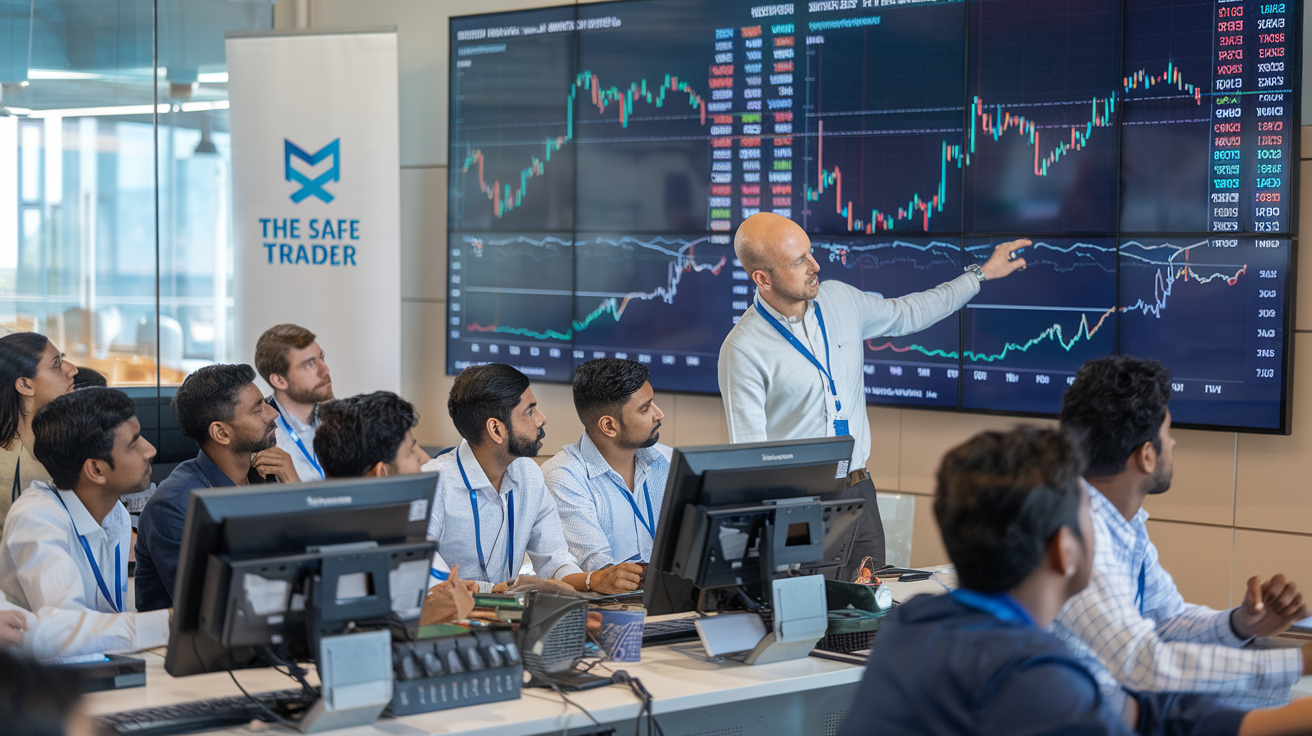
    Create a realistic image of a modern classroom setting in Hyderabad with a diverse group of Indian students focused on a large screen displaying stock market charts and graphs, a white male instructor pointing to key areas on the screen, trading terminals on desks, and "The Safe Trader" logo visible on a banner.

    A. Diverse asset classes covered (equity, options, commodities, currency)

    At The Safe Trader Academy, we offer a comprehensive trading education that covers a wide range of asset classes. Our curriculum is designed to provide students with a holistic understanding of various financial instruments, including:

    • Equity
    • Options
    • Commodities
    • Currency (Forex)

    This diverse coverage ensures that students are well-equipped to navigate different market segments and make informed investment decisions. By exposing learners to multiple asset classes, we enable them to diversify their portfolios and manage risk effectively.

    B. Hands-on approach to enhance risk management skills

    Our trading education emphasizes practical learning experiences to develop crucial risk management skills. We believe in learning by doing, which is why our courses feature:

    • Daily live trading sessions
    • Real-time market analysis
    • Hands-on practice with advanced trading tools

    This approach allows students to gain valuable experience from day one, applying theoretical knowledge to real-world scenarios. By engaging with live markets under expert guidance, learners develop the confidence and skills necessary to manage risk effectively in their trading endeavors.

    C. Curriculum featuring technical analysis and professional mentorship

    The Safe Trader Academy’s provide a balanced blend of technical analysis and professional mentorship. Our program includes:

    Technical Analysis ComponentsProfessional Mentorship Aspects
    Chart readingOne-on-one guidance
    Indicator usageStrategy development
    Pattern recognitionPerformance review
    Trend analysisCareer advice

    Students benefit from in-depth technical analysis training, learning to interpret market signals and make data-driven decisions. Simultaneously, our professional mentorship program offers personalized support, helping students refine their trading strategies and overcome challenges.

    With this comprehensive approach to trading education, covering diverse asset classes, hands-on risk management, and a robust curriculum, The Safe Trader Academy sets a strong foundation for aspiring traders. Now that we have covered the core elements of our educational philosophy, let’s explore the specific courses offered at The Safe Trader Academy to help you achieve your trading goals.

    Courses Offered at The Safe Trader Academy

    Create a realistic image of a modern classroom in Hyderabad with stock market charts and financial graphs displayed on a large screen, a diverse group of adult students seated at desks taking notes, and a male Indian instructor pointing to the screen, conveying a professional and educational atmosphere for stock market courses.

    Beginner Stock Market Course – Basics of trading and investing

    The Safe Trader Academy’s Beginner Stock Market Course is the perfect starting point for aspiring investors in Hyderabad. This comprehensive course covers:

    • Fundamental concepts of stock markets
    • How to read financial statements
    • Basic technical analysis techniques
    • Risk management strategies

    Students will gain hands-on experience through:

    1. Virtual trading simulations
    2. Real-time market analysis exercises
    3. Group discussions on current market trends
    TopicDurationKey Takeaways
    Market Basics1 weeksUnderstanding indices, types of stocks
    Trading Mechanics2 weekOrder types, trading platforms, Indicators, Support and Resistance,
    Demand & Supply
    Investment Strategies2 weeksPrice Action, Options, Value investing, growth investing
    Risk Management1 weekDiversification, stop-loss orders

    Advanced Stock Market Course – Technical and fundamental analysis

    Building on the foundational knowledge, this course delves deeper into:

    • Advanced chart patterns and indicators
    • Fundamental analysis of company financials
    • Macroeconomic factors affecting markets
    • Portfolio management

    Options Trading Course – Strategies for consistent profits

    This specialized course focuses on:

    • Options basics and terminology
    • Popular options strategies (e.g., covered calls & put)
    • Greeks and their impact on option pricing
    • Risk management in options trading

    Intraday Trading Course – Mastering short-term trading techniques

    For those interested in fast-paced trading, this course covers:

    • Identifying intraday trading opportunities
    • Using momentum indicators effectively
    • Managing intraday risks and emotions
    • Developing a disciplined trading routine

    Each course at The Safe Trader Academy is designed to provide a balance of theoretical knowledge and practical skills, ensuring students are well-equipped to navigate the complex world of stock trading.

    Practical Learning Experience

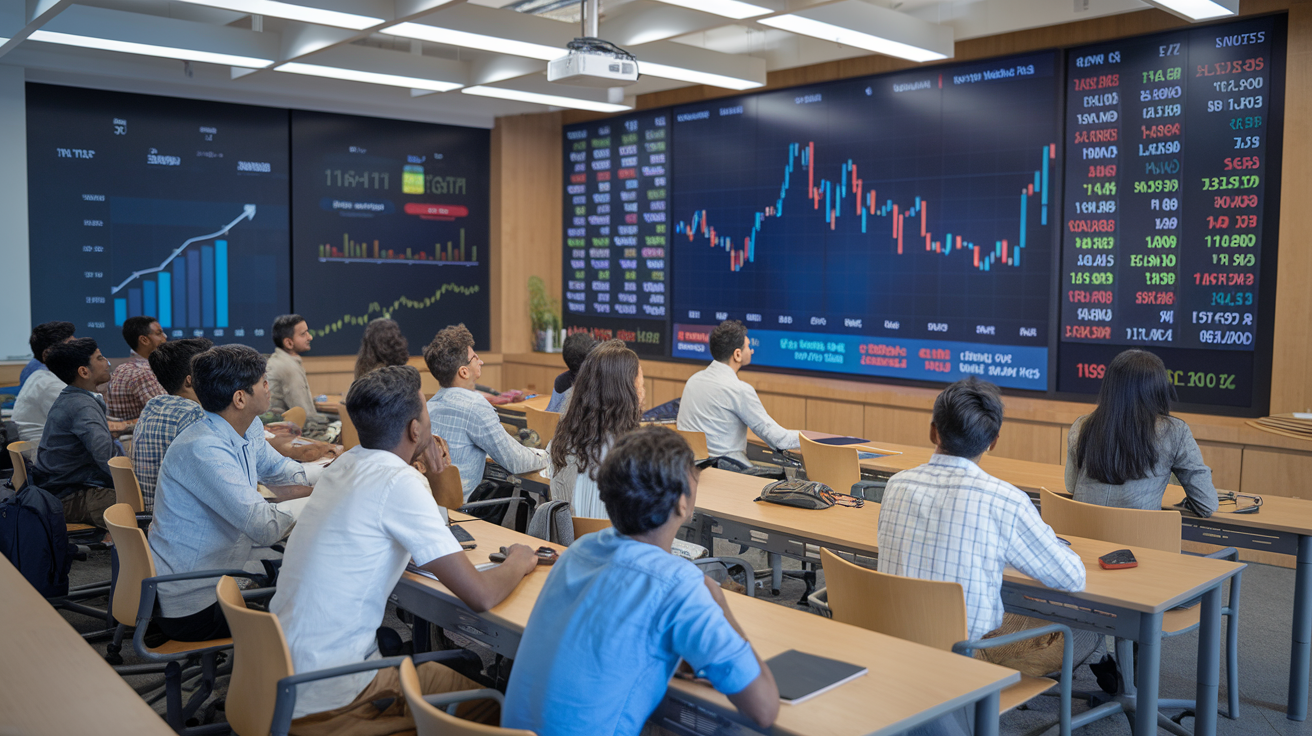
    Create a realistic image of a modern classroom in Hyderabad with students of diverse Indian ethnicities sitting at desks, intently watching a stock market trading simulation on a large screen. The room features charts, graphs, and financial data displays on the walls, with a stock ticker running along the bottom of the projection screen.

    Now that we’ve explored the courses offered at The Safe Trader Academy, let’s delve into the practical learning experience that sets this institution apart in Hyderabad’s stock market education landscape.

    Live market training sessions

    The Safe Trader Academy emphasizes hands-on learning through live market training sessions, these sessions provide students with real-time exposure to market dynamics. This practical experience is crucial for:

    • Developing quick decision-making skills
    • Understanding market patterns and trends
    • Applying theoretical knowledge in real-world scenarios

    Market analysis tools and techniques

    Students at The Safe Trader Academy gain proficiency in various market analysis tools and techniques, comparable to those taught at other reputable institutions in Hyderabad. The curriculum covers:

    Analysis TypeTools and Techniques
    TechnicalChart patterns, indicators, oscillators
    FundamentalFinancial statement analysis, economic indicators
    QuantitativeRisk assessment models, statistical analysis

    These tools empower students to make informed trading decisions and develop robust investment strategies.

    performance measures for improvement

    The Safe Trader Academy implements accountability measures to ensure continuous improvement in student performance :

    1. Regular performance assessments
    2. One-on-one mentoring sessions
    3. Portfolio reviews and feedback
    4. Goal-setting and progress tracking

    By incorporating these measures, The Safe Trader Academy fosters a culture of continuous learning and improvement, preparing students for the dynamic world of stock trading.

    With this comprehensive practical learning experience, students are well-equipped to explore specialized market segments, which we’ll discuss in the next section.

    Specialized Market Segments

    Now that we have explored the practical learning experience offered by The Safe Trader Academy, let’s delve into the specialized market segments covered in their comprehensive curriculum.

    Forex Trading Education

    The Safe Trader Academy recognizes the importance of diversifying trading knowledge. In line with institutions

    • Understanding of currency pair dynamics
    • Analysis of global economic factors affecting forex markets
    • Risk management strategies specific to forex trading
    • Practical application through simulated forex trading platforms

    Cryptocurrency Market Insights

    As digital assets gain prominence, The Safe Trader Academy has incorporated cryptocurrency market insights into their program. approach to emerging markets, this course covers:

    • Analysis of major cryptocurrencies and their market behavior
    • Regulatory landscape and its impact on crypto trading
    • Fundamentals of blockchain technology
    • Trading strategies tailored for the volatile crypto market

    Equity and Derivatives Trading Strategies

    Building on the foundation of stock market basics, The Safe Trader Academy offers advanced courses in equity and derivatives trading strategies. Drawing inspiration from the Technical Analysis Training Course Institute, this segment includes:

    Strategy TypeKey Components
    Technical AnalysisChart patterns, indicators, and price action
    Fundamental AnalysisCompany valuations, financial statements, and economic indicators
    Options TradingGreeks, spreads, and advanced option combinations
    Futures TradingContract specifications, margin requirements, and rollover strategies

    These specialized courses are designed to provide students with a comprehensive understanding of various market segments, enabling them to diversify their trading portfolio and adapt to different market conditions.

    With this solid foundation in specialized market segments, students are well-prepared to benefit from the long-term support and resources offered by The Safe Trader Academy, which we will explore in the next section.

    Long-term Support and Resources

    Create a realistic image of a modern classroom setting with stock market charts and financial graphs displayed on a large screen, a diverse group of adult students taking notes, and a professional-looking instructor pointing to the screen, with bookshelves filled with finance books and resources visible in the background, suggesting ongoing support and learning opportunities in stock market education.

    Now that we’ve explored the specialized market segments offered by The Safe Trader Academy, let’s provide the long-term support and resources available to students, ensuring their continued growth and success in the stock market.

    A. One-year live market assistance

    The Safe Trader Academy goes beyond traditional classroom learning by offering an extensive one-year live market assistance program. This hands-on approach mirrors the support provided by institutions, which conducts regular live offline classes and events. Students benefit from:

    • Real-time trading simulations
    • Personalized mentorship during market hours
    • Access to experienced traders for immediate doubt resolution

    B. Webinars and newsletters for continuous learning

    To keep students updated with the latest market trends and strategies, The Safe Trader Academy provides:

    ResourceFrequencyContent
    WebinarsWeeklyIn-depth analysis of market movements
    NewslettersMonthlyExpert insights and trading tips

    These resources ensure that students remain well-informed about:

    • Technical and fundamental analysis techniques
    • Risk management strategies
    • Portfolio optimization methods

    C. Active social media engagement for community building

    Building a supportive trading community is crucial for long-term success. The Safe Trader Academy fosters this through:

    • Regular Saturday live events with open mic discussions
    • A dedicated social media platform for student interactions
    • Sharing of success stories and learning experiences

    By providing these comprehensive long-term support and resources, The Safe Trader Academy ensures that students have the tools and guidance necessary to navigate the complex world of stock trading confidently. As we move forward, we’ll explore how these resources translate into tangible results by examining student success stories and testimonials.

    Student Success and Testimonials

    Create a realistic image of a diverse group of smiling students in a classroom setting, with stock market charts and financial data displayed on a large screen behind them. A white male instructor in business attire stands nearby, gesturing towards the screen. On a nearby wall, framed testimonials and success stories are visible. The room has a professional, corporate atmosphere with warm lighting.

    Now that we’ve explored the long-term support and resources offered by The Safe Trader Academy, let’s delve into the success stories and testimonials of students who have benefited from these comprehensive programs.

    A. Structured courses fostering trading confidence

    The Safe Trader Academy’s structured courses have been instrumental in building trading confidence among its students. By offering a range of programs tailored to different levels of expertise, from beginners to advanced traders, the academy ensures that each student receives the appropriate guidance.

    Key features of the structured courses:

    • Comprehensive curriculum covering stock market fundamentals
    • Technical analysis training
    • Advanced trading strategies
    • Practical learning experiences through trading simulations

    These elements combine to create a solid foundation for students, empowering them to navigate the complexities of the stock market with assurance.

    B. Supportive mentorship programs

    One of the standout features of The Safe Trader Academy is its supportive mentorship programs. These programs provide students with personalized guidance from experienced traders, fostering a close-knit learning environment.

    Mentorship BenefitsDescription
    Expert GuidanceAccess to seasoned traders like Mallinath mulage, known for Bank Nifty expertise
    Personalized SupportOne-on-one sessions to address individual learning needs
    Real-time AssistanceDoubt counter staffed during market hours for immediate help
    Community LearningRegular live events and open mic discussions for knowledge sharing

    This multi-faceted approach to mentorship ensures that students receive comprehensive support throughout their learning journey.

    C. Proven strategies for financial success

    The Safe Trader Academy equips its students with proven strategies for financial success in the stock market. These strategies are not just theoretical but are backed by practical applications and real-world results.

    Key components of the success-oriented approach:

    1. Price Action analysis techniques
    2. Risk management practices
    3. Intraday trading strategies
    4. Options trading methodologies
    5. Advanced technical analysis for informed decision-making

    By mastering these strategies, students of The Safe Trader Academy have reported significant improvements in their trading performance and overall financial success. The combination of structured learning, supportive mentorship, and proven strategies has positioned The Safe Trader Academy as a leading institution for stock market education in Hyderabad, with many success stories and positive testimonials attesting to its effectiveness in skilled traders.

    Create a realistic image of a modern classroom in Hyderabad with stock market charts and financial graphs projected on a large screen, a diverse group of students taking notes, and a confident Indian male instructor pointing to key areas on the projection, all bathed in warm, natural lighting coming through large windows.

    The Safe Trader Academy in Hyderabad stands out as a premier destination for aspiring traders seeking comprehensive stock market education. With its diverse course offerings, practical learning experiences, and specialized market segments, the academy equips students with the knowledge and skills needed to navigate the complex world of financial markets. The emphasis on hands-on training, coupled with long-term support and resources, ensures that students are well-prepared to face real-world trading challenges.

    For those looking to enhance their trading skills and achieve financial success, The Safe Trader Academy offers a unique blend of structured courses, supportive mentorship, and proven strategies. The academy’s commitment to student success is evident through its transparent approach, ongoing live market support, and positive testimonials from past participants. Whether you’re a beginner or an experienced trader, The Safe Trader Academy provides the tools and guidance necessary to confidently pursue your trading goals in the dynamic stock market landscape.


  • Gold Price Today: Market Trends & Insight

    Gold Price Today: Market Trends & Insight

    Gold Price And Silver Rate Today on March 16, 2025 Check latest Rates in India

    Gold and silver prices are on the move again As the precious metals market continues to captivate investors and enthusiasts alike, staying informed about the latest rates is crucial. On March 16, 2025, the gold and silver markets are buzzing with activity, leaving many wondering: What’s driving these changes, and how will they impact your investments?.

    Current Gold Prices in India (March 16, 2025)

    A. 24-karat gold: ₹90,630 per 10 grams

    As of March 16, 2025, the price of 24-karat gold in India stands at ₹90,630 per 10 grams. This represents a significant increase from the previous year’s rates, reflecting the ongoing trend of rising gold prices in the Indian market. For investors and consumers, it’s crucial to note that 24-karat gold is the purest form of gold available, making it a preferred choice for many buyers.

    B. 22-karat gold: ₹85,471 per 10 grams

    The current rate for 22-karat gold is ₹85,471 per 10 grams. This popular variant, often used in jewelry making, offers a balance between purity and durability. The price difference between 24-karat and 22-karat gold is primarily due to the alloy content in 22-karat gold, which makes it more suitable for everyday wear.

    C. Price fluctuations and market volatility

    Gold prices in India have shown considerable volatility over the past few months. To illustrate this, let’s look at a comparison of recent price trends:

    Date24-karat (per 10g)22-karat (per 10g)
    March 16, 2025₹90,630₹85,471
    March 17, 2025₹87,787₹80,471
    December 19, 2024₹77,130₹70,700

    This data highlights the dynamic nature of the gold market, with prices fluctuating significantly even within short periods. Factors influencing these changes include:

    • Global economic conditions
    • Currency exchange rates, particularly the US Dollar
    • Geopolitical events
    • Domestic demand and supply
    • Import duties and taxes

    It’s worth noting that while the current market volatility is categorized as low, investors should remain vigilant of potential rapid changes in gold prices. The precious metal continues to be viewed as a hedge against inflation, despite its susceptibility to various market forces.

    Now that we have covered the current gold prices and market trends in India, we’ll explore how these rates vary by weight and across different cities in the next section, “Gold Prices by Weight and City”. This will provide a more comprehensive view of the gold market landscape in India.

    Gold Prices by Weight and City

    Now that we have covered the current gold prices in India, let’s delve into the details of gold prices by weight and city.

    Prices per gram, 2 grams, 5 grams, and tola

    As of March 16, 2025, gold prices in India vary depending on the weight and purity. Here’s a breakdown of the prices:

    Weight22-carat24-carat
    1 gram₹7,070₹7,713
    2 grams₹14,140₹15,426
    5 grams₹35,350₹38,565
    10 grams₹70,700₹77,130

    It’s worth noting that these prices have seen a slight decrease compared to the previous day, with 22-carat gold dropping by ₹65 per gram and 24-carat gold by ₹71 per gram.

    Regional variations in major Indian cities

    Gold prices can vary across different cities in India due to factors such as local taxes and demand. Here’s a comparison of gold rates in major Indian cities:

    • Chennai: ₹7,070 (22K), ₹7,713 (24K)
    • Mumbai: ₹7,070 (22K), ₹7,713 (24K)
    • Kolkata: ₹7,070 (22K), ₹7,713 (24K)
    • Delhi: ₹7,085 (22K), ₹7,728 (24K)

    Interestingly, while Chennai, Mumbai, and Kolkata report the same prices for both 22K and 24K gold, Delhi shows a slight increase, particularly for 24K gold.

    Comparison with Dubai gold prices

    While specific Dubai gold prices for March 16, 2025, are not provided in the reference content, it’s important to note that gold prices in Dubai often differ from those in India. Factors influencing this difference include:

    1. Tax policies
    2. Import duties
    3. Currency exchange rates
    4. Local market conditions

    Investors and buyers often compare prices between India and Dubai when making purchasing decisions.

    With this comprehensive view of gold prices by weight and city, we can now transition to examining the historical gold price trends, which will provide valuable context for understanding the current market situation.

    Historical Gold Price Trends

    Now that we’ve explored gold prices by weight and city, let’s delve into the historical trends that have shaped the gold market in recent years.

    10-day price range in March 2025

    The first half of March 2025 has seen fluctuations in gold prices. Here’s a snapshot of the recent trends:

    DatePrice per gram (INR)
    March 13, 20258,339.9
    March 16, 20257,713.0

    We observe a notable decrease in gold prices over this short period, with the highest price recorded on March 13 at 8,339.9 INR per gram.

    10-year price comparison (2011-2025)

    The gold market has experienced significant growth over the past decade:

    • In 2000, gold was priced at approximately 4,400 INR per 10 grams
    • By January 2025, the price had surged to around 80,210 INR per 10 grams

    This massive increase reflects a compound annual growth rate of over 15%, highlighting gold’s potential as a long-term investment.

    Factors influencing price changes

    Several key factors have contributed to the fluctuations in gold prices:

    1. Supply and demand dynamics
    2. Central bank policies
    3. Inflation and deflation
    4. Currency strength, particularly the US dollar
    5. Geopolitical tensions
    6. Interest rates
    7. Market sentiment
    8. Technological advancements

    Major historical events have also played a crucial role in shaping gold prices:

    • The COVID-19 pandemic drove prices to record levels due to increased demand for safe-haven assets
    • The Russia-Ukraine crisis led to a surge in gold prices
    • Inflationary pressures have historically resulted in higher gold prices

    As we transition to examining global gold rates, it’s important to note that these factors continue to influence the precious metal’s value on an international scale.

    Global Gold Rates

    Having explored the historical trends in gold prices, let’s now turn our attention to the global landscape of gold rates, providing a comprehensive view of this precious metal’s valuation across different markets.

    A. Prices in various countries and currencies

    Gold prices vary significantly across different countries and currencies, reflecting local economic conditions and exchange rates. As of March 16, 2025, gold closed at $2,989.74 in the US market, with intraday fluctuations reaching a high of $2,994.22 and a low of $2,982.65. This recent surge, pushing gold prices to the $3,000 mark for the first time, underscores the metal’s status as a safe-haven asset amidst global economic uncertainties.

    Key gold trading hubs include:

    • Zurich
    • London
    • New York
    • Hong Kong

    These centers play crucial roles in determining global gold prices, with the New York Mercantile Exchange and the London Bullion Market being pivotal exchanges.

    B. Exchange rates and their impact on gold prices

    Exchange rates significantly influence gold prices across different currencies. The interplay between currency values and gold prices is complex, often reflecting broader economic trends and investor sentiment. For instance, when the US dollar weakens, gold typically becomes more attractive to investors holding other currencies, potentially driving up its price.

    CurrencyGold Price (per ounce)
    USD$2,989.74
    EUR€2,741.55
    GBP£2,342.18
    JPY¥352,789.32

    Note: Prices are approximate and based on the latest available data.

    C. Gold-to-silver price ratio

    The gold-to-silver price ratio is an important metric for precious metal investors, indicating the relative value of gold compared to silver. While specific current ratios are not provided in the reference content, historically, this ratio has been a key indicator of market trends and potential investment opportunities in the precious metals sector.

    As we’ve explored the global landscape of gold rates, it’s clear that understanding these international dynamics is crucial for investors. In the next section, we’ll delve into the various tools available for gold investors, which can help navigate these complex global markets and make informed investment decisions.

    Tools for Gold Investors

    Now that we’ve explored global gold rates, let’s delve into the essential tools available for gold investors in today’s digital age.

    Holdings Calculator Features and Benefits

    Gold investors can leverage advanced holdings calculators to optimize their portfolios. These tools offer:

    • Real-time valuation of gold assets
    • Portfolio diversification analysis
    • Risk assessment based on market trends
    • Performance tracking against other investments

    The benefits of using these calculators include:

    1. Informed decision-making
    2. Improved asset allocation
    3. Enhanced risk management
    4. Time-saving portfolio management

    Real-time Price Updates and Historical Data Access

    Investors can stay ahead of the market with tools providing:

    FeatureBenefit
    Live price feedsInstant market insights
    Historical price chartsTrend analysis and forecasting
    Price alertsTimely investment opportunities
    Market news integrationContextual understanding of price movements

    These features empower investors to make data-driven decisions and react swiftly to market changes.

    Currency Conversion Options for Global Investors

    With the global nature of gold investment, currency conversion tools are crucial. They offer:

    • Multi-currency price displays
    • Exchange rate updates in real-time
    • Customizable base currency settings
    • Historical exchange rate data for comparative analysis

    These options enable international investors to:

    1. Assess global investment opportunities
    2. Manage currency risk effectively
    3. Optimize entry and exit points in different markets
    4. Compare gold performance across various economies

    As we transition to discussing silver and other precious metals, it’s important to note that many of these tools also extend their functionality to include a wider range of metals, providing a comprehensive suite for diverse precious metal investments.

    Conclusion

    The gold and silver markets continue to demonstrate their enduring appeal as investments, with prices reflecting both global economic trends and local market dynamics. As of March 16, 2025, gold prices in India and around the world show significant variations, influenced by factors such as currency exchange rates and regional demand. Investors should pay close attention to these fluctuations, as well as historical trends, to make informed decisions about their precious metal holdings.

    For those looking to navigate the complexities of gold and silver investments, various tools and resources are available. The Holdings Calculator, for instance, offers a comprehensive way to assess current and potential future values of precious metal assets. Whether you’re a seasoned investor or new to the market, staying informed about global rates, local prices, and market trends is crucial. As always, it’s advisable to consult with financial experts and use available resources to optimize your investment strategy in this dynamic precious metals market.

    For More Content visit Here

  • How Young Professionals Can Manage Their Debt Wisely

    How Young Professionals Can Manage Their Debt Wisely

    How Young Professionals Can Manage Their Debt Wisely

    Requirements include experience in data, content, and publishing working with data processing systems. With student loans, credit card balances, and other financial obligations, it’s no surprise you may feel overwhelmed. But if you go into it with a plan, and the right strategies you can gain control of your finances and work towards a debt-free future.

    Here are other tested solutions that can help young professionals minimize and manage their debt successfully.

    1. Create a Detailed Budget

    A good budget is the first step toward financial security. It enables you to monitor income and expenses, so you can set money aside to repay debts.

    How to an Make effective Budget.

    - Write Down Your Income – Salary, side, passive income, etc.

    • Track Your Expenses – Make a list of fixed (rent, utilities) and variable expenses (entertainment, dining out).– Sum up Expense – This is how you split your budget as essential category (needs) or discretionary category (wants).
    • Allocate Debt Payments – Set aside part of your budget to pay the debt and cover essentials.** Budgeting Apps – Mint, YNAB (you need a budget), Personal Capital can all help you automate the tracking process

    Having a budget helps identify areas where costs can be reduced and funds can be diverted to paying off debts more quickly.

    2. Prioritize Your Debts

    Here are the steps to effectively manage more than one debt. Two popular methods are:

    Debt Snowball Method

    • Tackle the smallest balance first, irrespective of interest rates.
    • After clearing the smallest debt, move that payment to the next smallest debt.
    • This technique allows for quick wins that will help the motivation to remain on the right path.

    Debt Avalanche Method

    • Only pay debts with the highest interest rate first.
    • After paying off the highest interest debt, go on to the next highest.
    • You end up saving more money in the long term, due to lesser interest, paid overall over the time.

    Deciding which way to go really comes down to personal preference and if you want short term wins (snowball) but possibly more long term savings (avalanche).

    3. Build an Emergency Fund

    If you’re not prepared for them, surprise expenses can add to your debt. A few weeks of savings can spare you from dipping into credit cards or loans during downturns.

    How to Create an Emergency Fund:

    • Small beginnings are better than none. **Saving $500-$1,000 is sufficient to address minor emergencies.
    • Automate Savings – You can set up direct deposits of your paychecks into a separate savings account.
    • Eliminate Unnecessary Spending – Reallocate funds away from non-essential items and into savings.
    • *Gradual – Save a minimum 3-6 months of your living expenses

    Once you have an emergency fund, you’ll have a financial buffer and will be less likely to take on more debt.

    4. Increase Your Income

    A higher income leaves extra funds per month to pay down the debt quicker. Consider:

    How to Increase Your Income:

    • Ask for a Raise – If you’ve already been in your job a bit, ask for a raise.
    • Freelancing— Use your writing, graphic design, coding or consultancy skills for extra dollars.M side hustles — driving, tutoring or reselling online can be additional income.
    • Passive Income Streams — Rents, affiliate marketing, and dividends create ongoing income.

    Anything you earn new or extra can be utilized strategically so that every dollar goes a long way to bringing debt levels down even further.

    5. Cut Back on Non-Essential Expenses

    For instance, cutting unnecessary outlays frees up cash to pay off debts.

    Easy Ways to Reduce Your Expenses:

    Cook at home — Dining out adds up quickly.

    • Cancel Subscriptions You Never Use – Streaming services, gym memberships, or other monthly charges.- Use Public Transport – Saves on gas, parking, and maintenance.
    • Shop Smart Shop in bulk, use coupons, and shop sales.– **Rein in Impulse Purchases – Use a 24-hour rule before making a purchase on things you don’t need.

    Monitoring your spending and making mindful spending choices can help you get to financial freedom faster.

    6. Make Use of Balance Transfers or Debt Consolidation

    If you carry high-interest debt, consider ways to reduce interest rates:

    Balance Transfers:

    • Transfer high-interest credit card balances to a 0% intro APR card.
    • Do as much paying off before the promotional period runs out.

    Debt Consolidation Loans

    • Consolidate several debts with one loan at a lower interest rate.- Makes payments easier and lowers total interest.

    These approaches are most effective when you’re disciplined about repaying your debt and not taking on new debt.

    7. Seek Professional Advice

    Getting help if debt is out of control

    Where to Seek Help:

    • Credit Counseling Services — Nonprofits that provide budgeting and debt management advice.
    • Debt Management Plans (DMPs) – Agents work with creditors to lower interest rates.- Financial Advisors – Offer custom strategies relevant to you.

    Using the guidance of an expert can allow you to formulate a clear, actionable plan for becoming debt-free.

    Final Thoughts

    A better way to manage that debt is to have the discipline, the plans and right strategies. Young professionals can take charge of their financial future through budgeting smartly, restructuring debts, making extra money, and trimming unnecessary expenses.

    Keep in mind, getting out of debt is a process! Persevere, look for small victories and keep moving toward financial independence.

    FAQs

    1. How much of my salary should go towards paying off debt?

    A rough guideline here is to devote at least 20% of your income toward debt payments after meeting necessities and savings.

    2. Should you pay off student loans early or invest?

    That depends on what interest rate you want. It may make more sense to invest if student loan interest is low. But the debt itself gives financial peace of mind, paying it off in advance.

    3. I’m in debt; can I still use credit cards?

    Yes, but only if you pay your balance in full every month. BPros: Do not carry a balance to avoid getting into greater debt.

    4. How do you stay motivated while you’re repaying debt?

    Goal-setting helps in breaking up the task into manageable sections. Having friends or a financial community who can support you also helps.

    5. Is it smart to get a personal loan to pay down credit card debt?

    That depends on the interest rate on the loan. If it’s less than what you pay on your credit cards, it may be a good deal. But make sure you don’t run up new credit card debt afterwards.